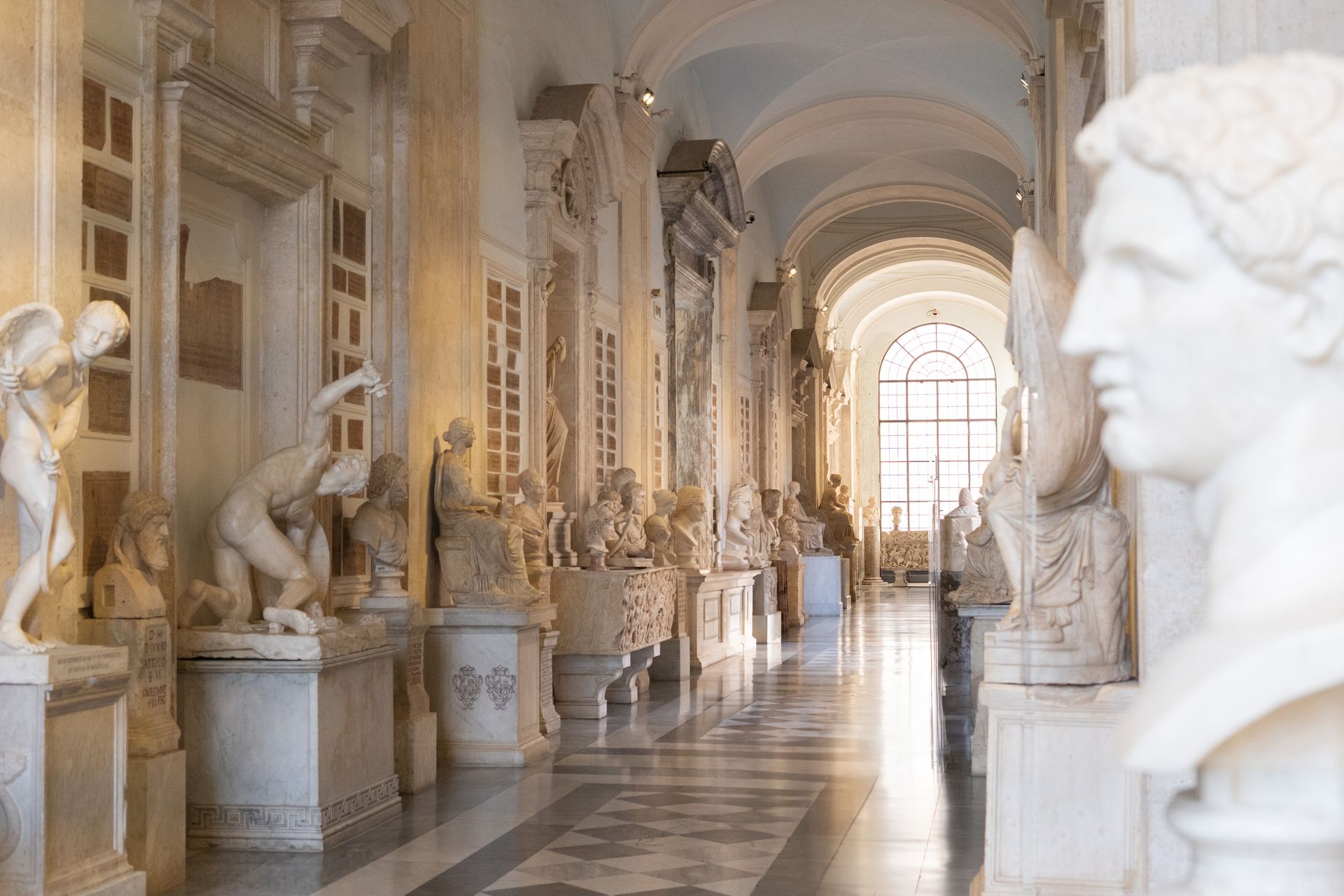
Interpret the place without trapping its story inside a device desk.
Create visitor journeys across monuments, archaeological sites, landscapes, historic centers, and distributed heritage routes with flexible app and QR access, multilingual audio, and context that travels with the visitor.
Flexible access
Use app, web, QR, or hybrid entry points according to the site and visitor journey.
Outdoor-ready planning
Design for distributed stops, route changes, weak connectivity, weather, and real-world wayfinding.
Multilingual interpretation
Give international visitors meaningful context without replacing every sign for every language.
The visitor journey rarely fits behind one entrance desk.
Heritage experiences can cross courtyards, landscapes, streets, ruins, inaccessible rooms, reconstructed spaces, and places where no staffed device point is practical. GuideSofia lets the interpretive layer move with the visitor.
Monuments
Layer stories, viewpoints, details, and historical change around a physical site.
Landscapes
Connect natural form, human use, memory, and route context across outdoor places.
Heritage routes
Build coherent journeys across distributed stops, towns, or partner locations.
Archaeological sites
Explain evidence, uncertainty, reconstruction, and what is no longer visible.
Digital interpretation should reveal the site, not compete with it.
Use each format for a clear interpretive job. Audio can direct attention while visitors keep looking; AR can clarify missing structures; 360 can open inaccessible spaces; text and transcripts provide choice and access.
Audio
Story, atmosphere, attention, and hands-free interpretation.
QR access
Immediate entry at meaningful physical points.
Augmented reality
Lost structures, hidden layers, change over time, and spatial explanation.
360 tours
Remote access, inaccessible rooms, previews, and digital twins.
Plan for weak signals, changing routes, and visitors who miss a stop.
A resilient heritage guide does not assume perfect connectivity, linear movement, bright indoor lighting, constant staffing, or a visitor who starts at stop one.
How QR-code audio guides workThe field test should cover:
- Arrival and start points from different directions
- QR placement, lighting, weather, and scan distance
- Mobile coverage, downloads, and offline behavior
- Route accessibility, terrain, seating, and alternatives
- Safe screen use while walking
- Closures, seasonal changes, and content freshness
- Fallback URLs and support information
Correct the story without replacing the sign.
Digital content can evolve when research changes, a route closes, a language is added, or a temporary program begins. The institution still needs content ownership, review states, dates, and a process for keeping physical and digital information aligned.
Approved sources
Identify the evidence and responsible reviewer behind each stop.
Versioned languages
Know which versions are current and which source change triggered an update.
Route status
Reflect closures, hazards, access changes, and seasonal operation.
Correction workflow
Give staff and visitors a clear route for reporting factual or technical problems.
Heritage sites and monuments FAQ
Can GuideSofia work across an outdoor or distributed heritage route?
Yes. Routes can connect multiple outdoor stops, monuments, landscapes, and partner locations through app, QR, and location-aware experiences, with offline planning where required.
Does every stop require a QR code?
No. QR codes can be used at entrances, route junctions, or individual points, while app navigation and other wayfinding methods can support the wider journey.
Can GuideSofia add 360 or augmented-reality content?
Yes. 360 and AR layers can be integrated when they clarify lost structures, hidden details, inaccessible spaces, or historical change rather than adding interaction without interpretive value.
Can content be updated without replacing physical signs?
Digital content can be corrected, expanded, translated, and republished without replacing every physical sign, although on-site wayfinding and fallback information still require maintenance.
A useful demo starts with a real story, object, route, or visitor challenge.
Share a public page or approved sample. GuideSofia can use that context to make the conversation concrete.
Talk to GuideSofia