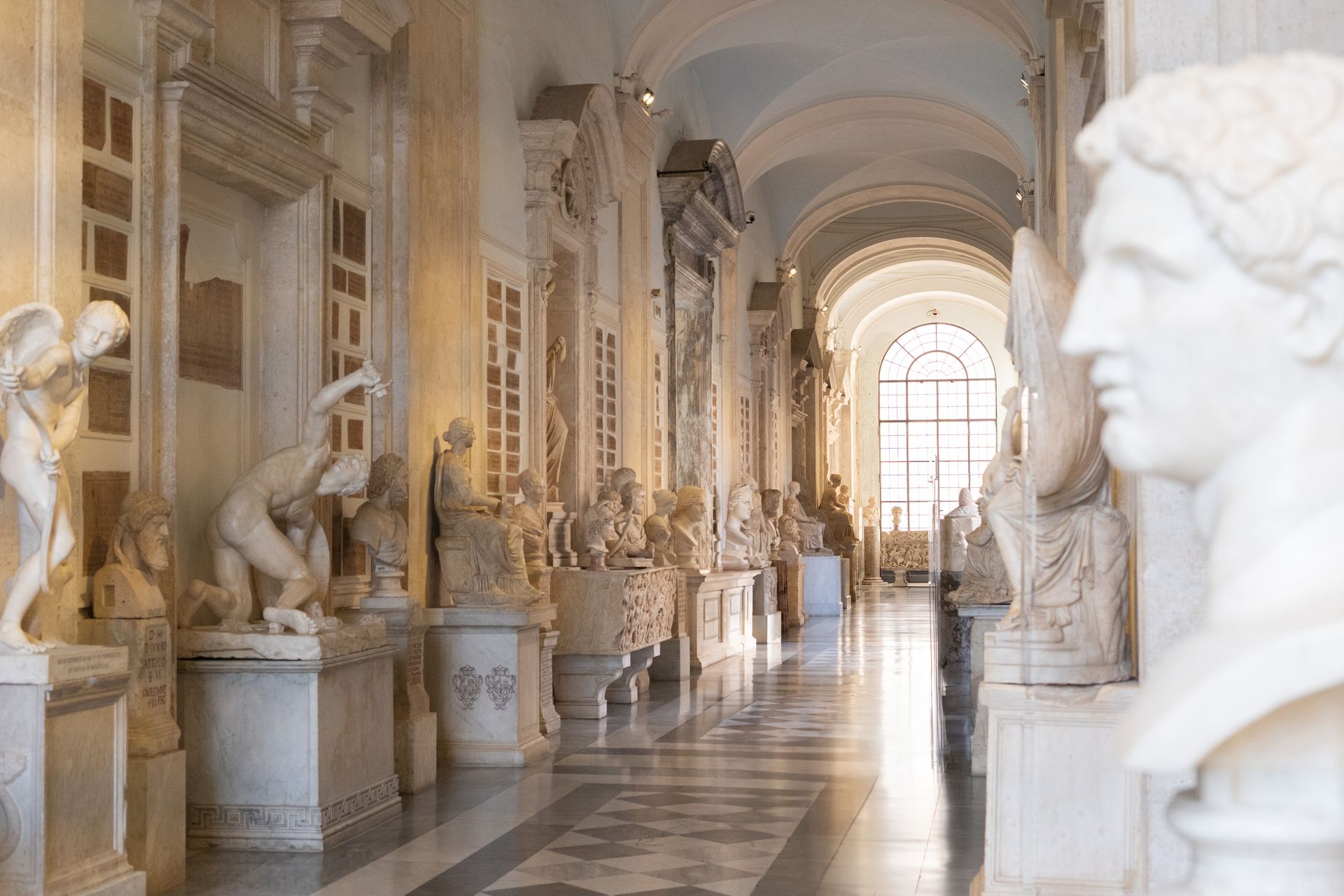
Help visitors discover more than the same crowded top ten.
Connect landmarks, neighborhoods, museums, viewpoints, local stories, events, and lesser-known places through cultural journeys shaped by interests, time, language, and destination priorities.
Personalized routes
Match cultural discovery to visitor interests, time, language, pace, and starting point.
Wider discovery
Connect headline attractions to neighborhoods, local stories, viewpoints, events, and lesser-known cultural assets.
Destination insight
Learn which routes, languages, themes, and places create engagement across the visitor journey.
Connect places through stories visitors have a reason to follow.
City content is often split across institutional websites, printed maps, partner pages, signs, event calendars, and isolated attraction guides. GuideSofia can structure those assets into coherent journeys without erasing who owns each story.
Connect the cultural network
Bring museums, monuments, neighborhoods, public art, viewpoints, events, and partner locations into discoverable routes.
Respect visitor context
A family with ninety minutes, an architecture enthusiast, and a repeat visitor should not receive the same generic sequence.
Create meaningful alternatives
Recommend lesser-known places because they match a real interest—not merely because a destination wants to divert people.
Keep local teams in control
Destination and partner knowledge, eligibility rules, closures, sensitivities, and strategic priorities remain explicit.
One visitor layer across a diverse destination.
GuideSofia combines destination intelligence, Travel DNA, multilingual storytelling, route logic, visitor access, and engagement signals.
Travel DNA
Map interests, pace, language, time, and access needs to relevant cultural choices.
Multilingual audio
Publish stories and routes for international audiences through app and QR-enabled access.
Dynamic context
Connect seasonal routes, temporary events, opening context, and changing destination priorities.
Route intelligence
Build journeys around location, sequence, available time, and visitor decisions.
Hidden cultural assets
Surface lesser-known places when their story genuinely matches the visitor.
Journey insight
Review language demand, route progression, content engagement, and discovery patterns.
Distribution works when the alternative is relevant.
Simply promoting a less visited place does not make it valuable to a visitor. GuideSofia can connect destination priorities to expressed interests so an alternative route feels like a better personal choice rather than an instruction to avoid somewhere popular.
How municipalities can distribute tourism flowsA responsible route recommendation considers:
- Visitor interest and available time
- Opening conditions and route practicality
- Accessibility and transport context
- Local carrying capacity and community priorities
- Cultural relevance—not only commercial placement
- Clear ownership and freshness of destination information
One theme, one area, one measurable visitor question.
A destination does not need to model everything before proving value. Begin with a coherent route or audience, establish content ownership, test discovery in the real environment, and expand from evidence.
Choose
Select the route, audience, and outcome.
Connect
Organize partner content and destination rules.
Pilot
Publish languages and test the real journey.
Learn
Review use, feedback, and expansion priorities.
Cities and tourism boards FAQ
Can GuideSofia connect multiple institutions and attractions?
Yes. A destination experience can connect museums, monuments, neighborhoods, viewpoints, routes, events, and partner locations while preserving the identity and knowledge of each contributor.
How can personalized routes support visitor-flow goals?
Routes can match visitor interests and context with a wider range of relevant places, creating meaningful alternatives to the same headline attractions. Destination teams retain control over eligible content and strategic priorities.
Can destination content be multilingual?
Yes. GuideSofia supports multilingual cultural storytelling through a connected content, translation, voice, and review workflow.
What can tourism teams learn after launch?
Privacy-conscious signals can show route starts, language demand, content engagement, progression, and where visitors discover or stop using an experience. These signals should be combined with local research and operational knowledge.
A useful demo starts with a real story, object, route, or visitor challenge.
Share a public page or approved sample. GuideSofia can use that context to make the conversation concrete.
Talk to GuideSofia