Visit Niterói and GuideSofia: Connecting Architecture, Culture, Forts, and Landscape
A collaboration profile about helping visitors understand Niterói as a connected cultural destination rather than seeing it only as a view across Guanabara Bay from Rio de Janeiro.
Documented facts
Unknown details are marked explicitly; results include only public, verifiable outputs.
- Partner
- Visit Niterói
- Project status
- Destination collaboration
- Launch period
- Not publicly specified
- Delivery
- Destination-discovery model; public deployment format not specified
- Scope
- City-scale model connecting architecture, museums, forts, and landscape
- Languages
- Not publicly specified
- GuideSofia role
- Destination structure, personalization, multilingual delivery model, and discovery
- Partner role
- Destination context and institutional collaboration
- Turnaround
- Not publicly specified
- Verified result
- No public performance measurement has been published
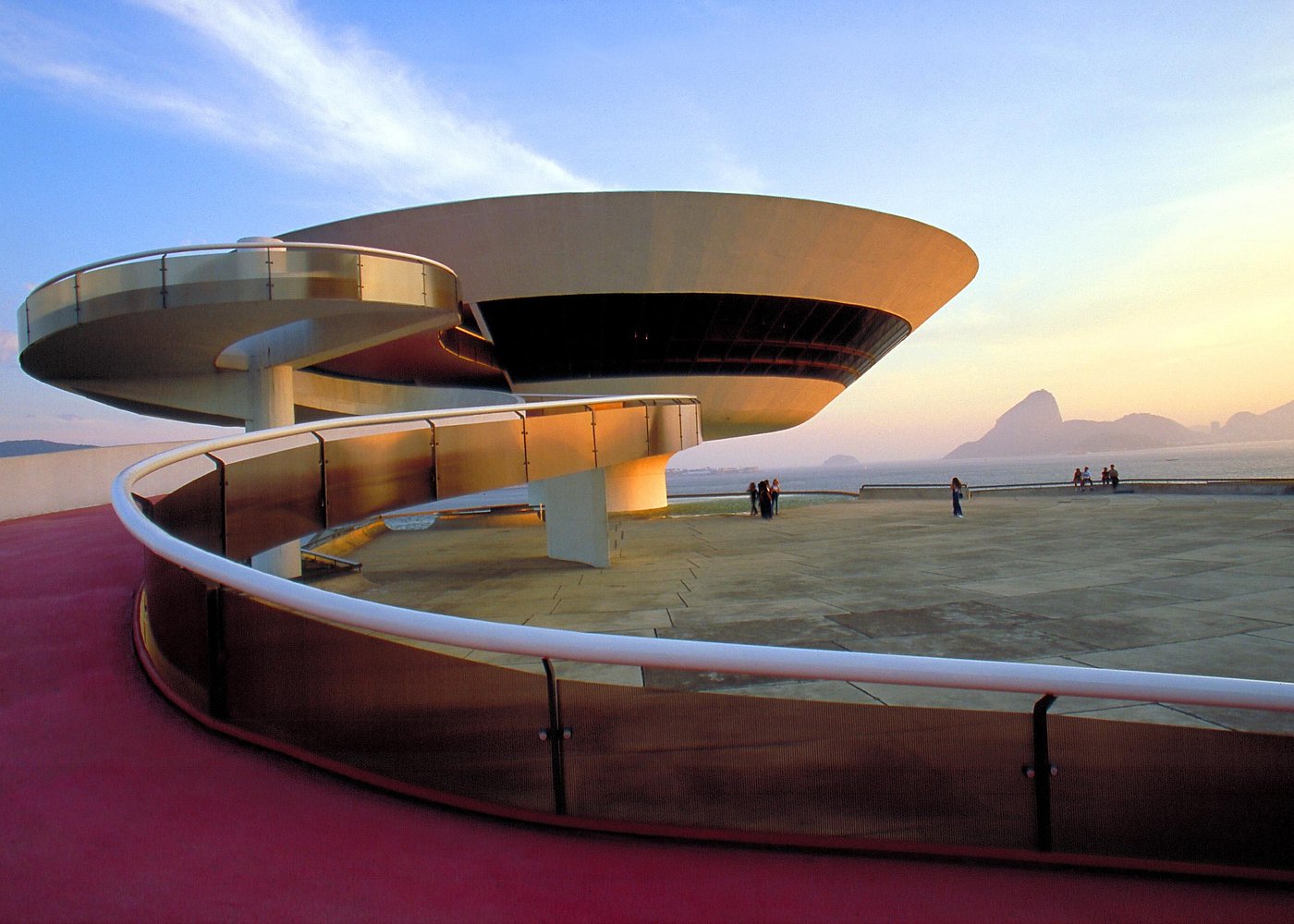
Niterói is visible from Rio de Janeiro, but it deserves to be understood on its own terms. Its cultural offer connects Oscar Niemeyer's architecture, the Museum of Contemporary Art, historic forts, museums, beaches, Atlantic landscape, neighborhoods, and views across Guanabara Bay. GuideSofia's collaboration with Visit Niterói is approached at that wider destination scale.
The partner context
Visit Niterói presents the city through several complementary identities: cultural destination, architectural landscape, historic defensive territory, coastal city, and center for food and local life. The official destination portal highlights what it describes as the world's second-largest concentration of works by Oscar Niemeyer and Brazil's largest continuous ensemble of forts and fortresses.
The Niemeyer waterfront route alone connects seven architectural works, including the Teatro Popular, Museu da Ciência e Criatividade, Memorial Roberto Silveira, Praça Juscelino Kubitschek, Reserva Cultural, and the Museu de Arte Contemporânea de Niterói, commonly known as MAC.
The destination challenge
The central visitor-experience challenge is not a shortage of attractions. It is helping visitors see the relationships between them and giving people a reason to move beyond one internationally recognized building.
- Present Niterói as a destination rather than an optional extension of a Rio itinerary.
- Connect architecture, history, culture, landscape, and local experiences into coherent routes.
- Serve Brazilian and international visitors in relevant languages.
- Help different interests lead to different but equally valid journeys.
- Make distributed attractions easier to discover before and during the visit.
The GuideSofia approach
GuideSofia can turn separate destination assets into a connected discovery layer. Museums, buildings, forts, viewpoints, beaches, and neighborhoods remain distinct places with their own authority, while routes and recommendations explain how they belong to the larger Niterói story.
- Structure the destination: organize cultural places by geography, theme, available time, and practical sequence.
- Build from trusted knowledge: connect approved destination and institutional sources to each place.
- Write for movement: make narration respond to what visitors can see while walking, arriving, or looking across the landscape.
- Personalize discovery: use interests and Travel DNA to choose meaningful next places rather than repeating one universal top-ten route.
- Prepare multilingual operations: maintain source control, terminology, review, and updates across languages.
Connecting the Niemeyer route
The Caminho Niemeyer offers a natural starting point because architecture, cultural institutions, public space, and the waterfront already form a recognizable sequence. GuideSofia can explain individual buildings while also revealing the ideas that connect them: Niemeyer's curves, public culture, the relationship with the bay, and the city's architectural identity.
The wider opportunity: the route should not end at architecture. A visitor interested in design might continue to MAC, while another journey can connect the waterfront to historic forts, museums, local food, beaches, or viewpoints according to time and interests.
Why the native app matters
GuideSofia's preferred native app can introduce Niterói before the traveler reaches the city. Someone exploring Rio de Janeiro or planning a wider Brazil trip may already use GuideSofia, have language and Travel DNA preferences, and discover Niterói through a relevant cultural recommendation.
On location, the same app can support location-aware routes, downloaded content, saved places, questions, and continued discovery. GuideSofia's web app remains useful when Visit Niterói needs immediate browser access from a campaign, ticket, sign, hotel, visitor center, or QR code.
What success should measure
A useful evidence plan should distinguish digital activity from destination impact and use an agreed baseline:
- discovery of Niterói before arrival;
- guide and route starts by language and location;
- movement from headline attractions to connected cultural places;
- content listening and route continuation;
- saved places and continued exploration;
- visitor feedback about orientation, relevance, and destination understanding;
- qualitative insight from tourism teams, institutions, guides, and local partners.
Current evidence status: the Visit Niterói collaboration and destination model are documented. This page does not claim that a public GuideSofia route has launched or that visitation, distribution, engagement, or economic impact has increased. Implementation outputs and results should be added only with verified evidence and partner approval.
Evidence and sources
- Visit Niterói official tourism portal - official destination source.
- Visit Niterói routes - destination attractions, cultural heritage, forts, gastronomy, and landscape.
- Visit Niterói Niemeyer Seafront Route - route context and its seven architectural works.
- Visit Niterói museums - examples of the city's museum network.
Explore GuideSofia for cities and tourism boards or discuss a destination project with our team.