Plaza Independencia
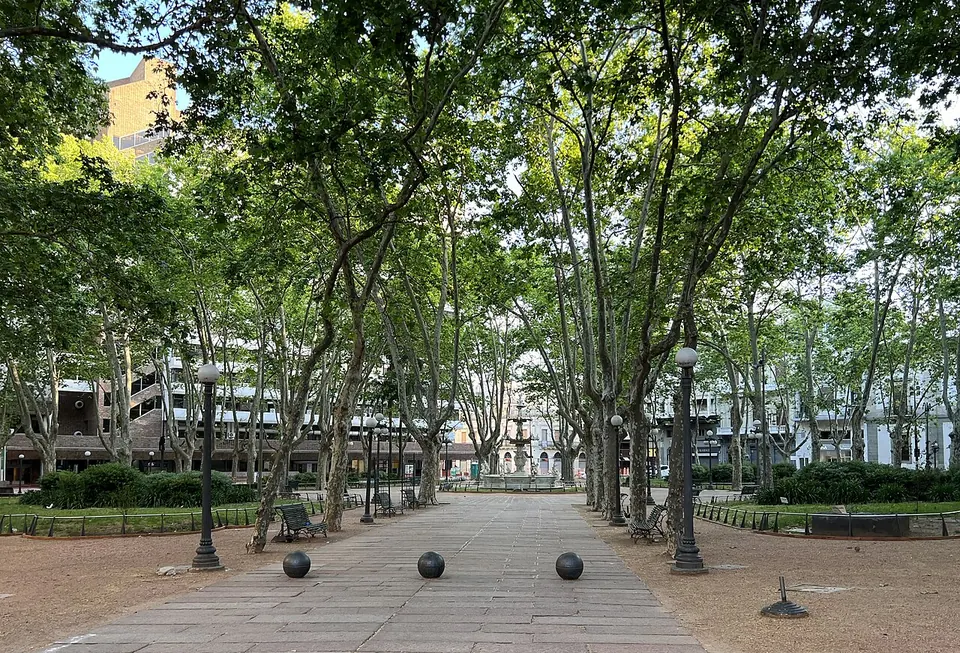
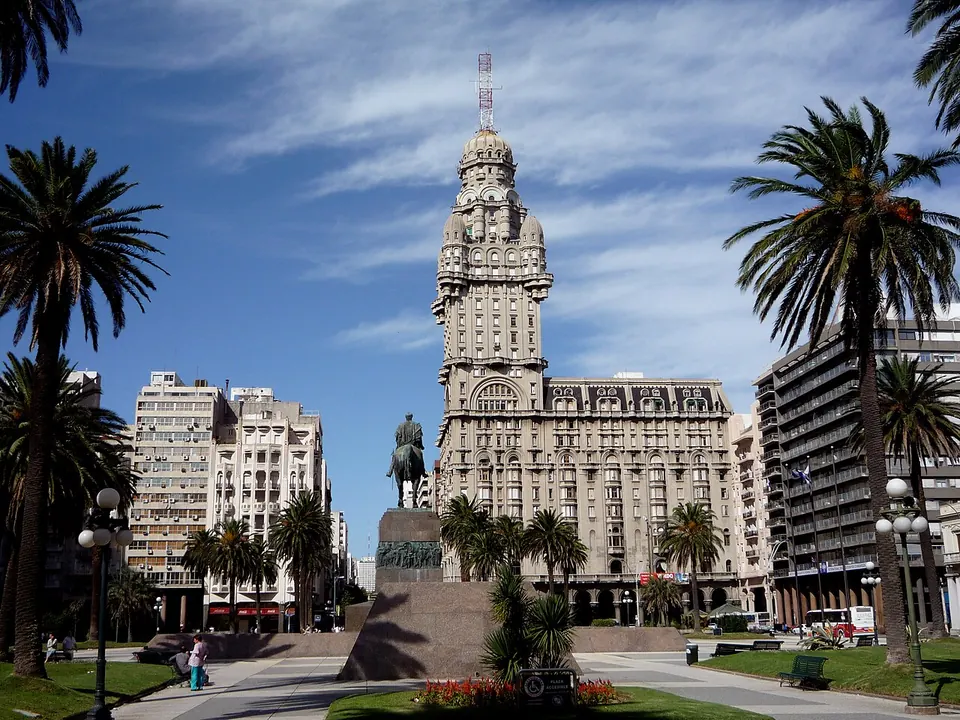
Central square joining Ciudad Vieja and downtown, with the Artigas statue and Palacio Salvo nearby.
Open space, any time
Montevideo · Uruguay · Updated November 2026
What to see in Montevideo, the neighbourhoods, when to go, getting around and staying safe. Prices, hours and travel advice show their official source and the month we checked them.
What to see
The places we would put in any first visit.
Central square joining Ciudad Vieja and downtown, with the Artigas statue and Palacio Salvo nearby.
Open space, any time
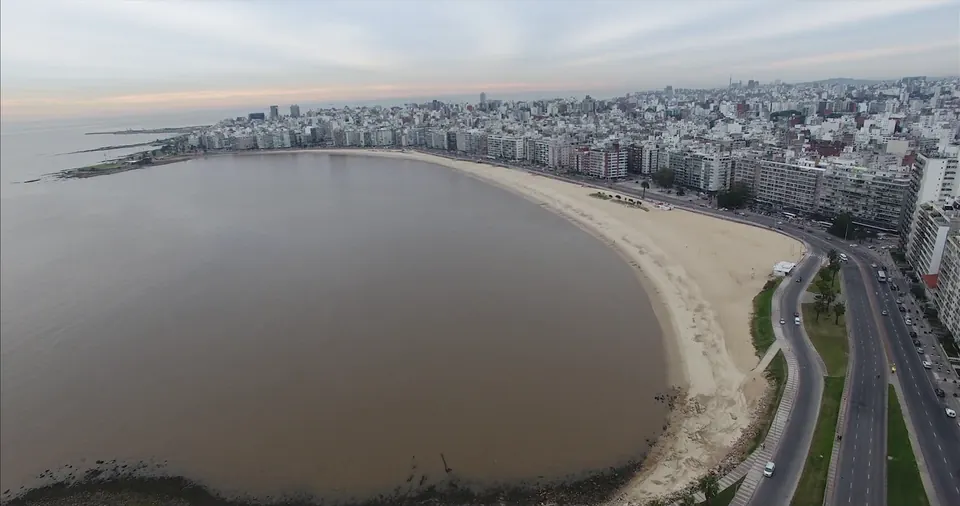
Montevideo's most popular city beach, lined by a promenade and cafés.
Open space, any time
Historic stadium that hosted the first World Cup final in 1930, with a football museum.
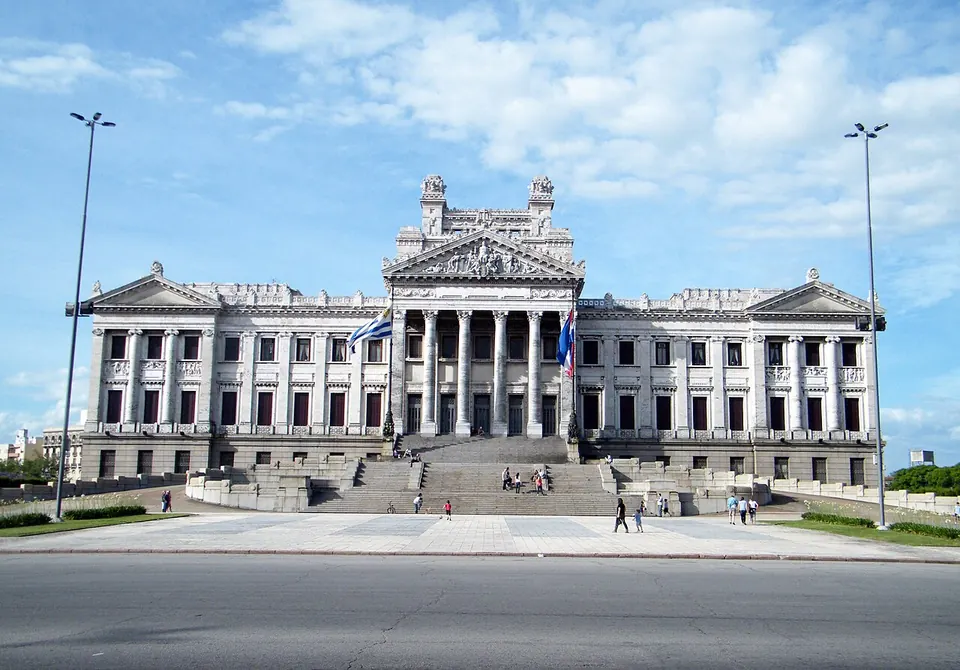
Grand neoclassical seat of Uruguay's parliament, visited on guided tours of its marble halls.
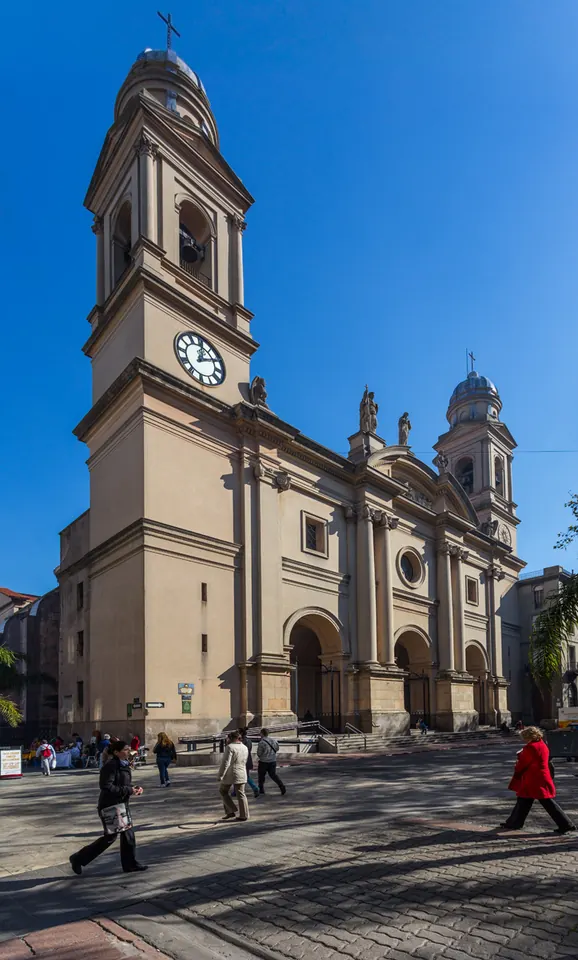
Neoclassical cathedral on Plaza Constitución, the city's main church and one of its oldest buildings.
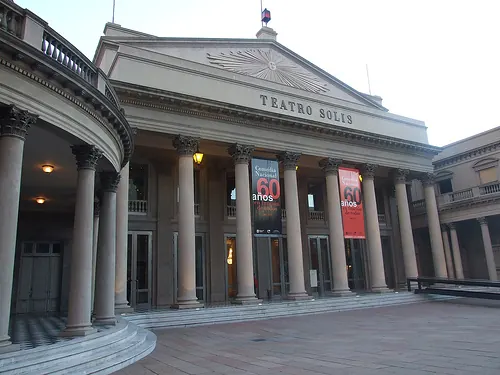
Uruguay's oldest theatre, opened in 1856, offering tours and opera, ballet and concerts.
Museum with the largest collection of Uruguayan art, including works by Blanes and Torres García.
Old town's main square, flanked by the cathedral and the Cabildo.
Open space, any time
Historic iron-framed market famed for its grill restaurants and lively atmosphere.
Museum devoted to Joaquín Torres García and his constructive universalism.
Montevideo's main avenue, lined with Art Deco buildings, shops and theatres.
Historic neighbourhood known as the heart of Afro-Uruguayan culture and candombe drumming.
Where to stay
For a first visit, the best bases are Ciudad Vieja, Centro and Aguada: the most must-sees within an easy walk.
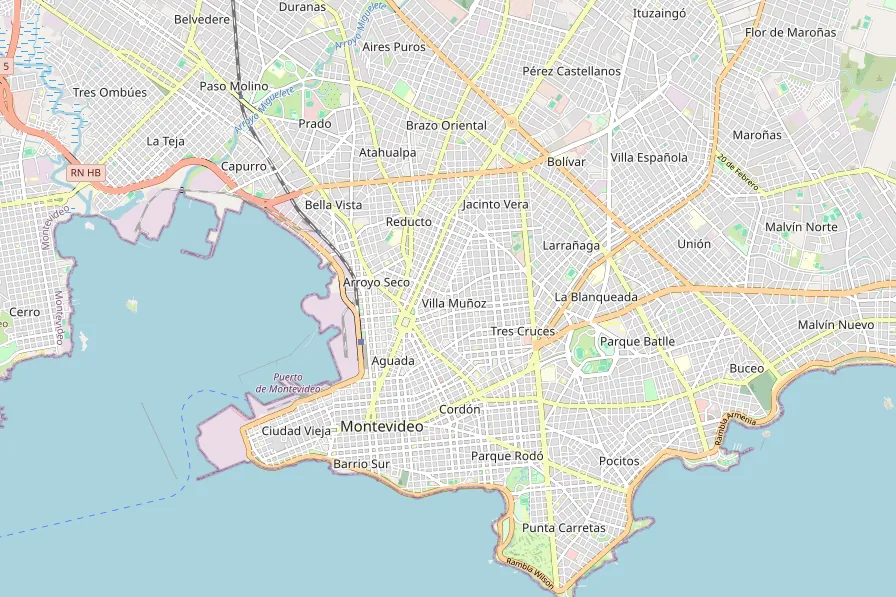 ★Ciudad Vieja★CentroParque RodóPocitosPunta CarretasBarrio SurPrado★Aguada
The old walled core, with the citadel gate, theatre, museums and cafés, and a lived-in feel.
8 of the must-sees within about a 20-minute walk.
Metropolitan Basilica Cathedral of the Immaculate Conception and San Felipe and Santiago, Solis Theatre, Constitution Square, Gateway of the Citadel, Plaza Zabala, National Museum of Natural History, Museo Torres García, Mercado del Puerto, Museo Andes 1972
The civic heart along Avenida 18 de Julio, with Art Deco buildings, squares and offices.
8 of the must-sees within about a 20-minute walk.
Plaza Independencia, Plaza de Cagancha, Estévez Palace, Plaza de la Diversidad Sexual, Avenida 18 de Julio
A district with grand civic landmarks, led by the Legislative Palace.
8 of the must-sees within about a 20-minute walk.
Legislative Palace, Plaza Fabini
A park with a lake and lawns, an art museum, and young cafés and bars nearby.
National Museum of Visual Arts
A polished beach district with a busy shoreline, long breakfasts and a Sunday-style market.
Playa Pocitos, Parque Villa Biarritz, Feria de Villa Biarritz
A coastal area with sea air, restaurants, quiet streets and a shopping centre.
Playa Ramírez, Punta Carretas Shopping
The home of candombe drumming and Afro-Uruguayan culture. Come with attention and respect.
Central Cemetery
A green, slow district of parkland, old villas, streams, gardens and a Japanese garden.
Parque Prado, Japanese Garden, Jardín Botánico de Montevideo
When to go
The most comfortable months for walking are January, April, November and December.
best months · bar: average high · small: average low · d: days with rain
Source: Open-Meteo historical weather, 2021-2025 averages
Shops, offices and some sights close or keep Sunday hours.
Dates: date.nager.at · checked October 2026
Getting there & around
Our advice first; prices only where we checked them on an official or operator page.
537 UYU–806 UYU
About 65 minutes to the centre. Our estimate from the published rates, not a fixed fare.
Source: numeroservicioalcliente.com · checked October 2026
52 UYU
A single ticket.
Source: montevideo.gub.uy · checked October 2026
Uber, Cabify work in Montevideo.
Source: numeroservicioalcliente.com · checked October 2026
Money, customs & safety
911
Police, ambulance and fire (single emergency number)
Source: gov.uk · checked October 2026
Source: gov.uk · checked October 2026
FAQ
Three to five days. That covers Ciudad Vieja, the Rambla, Prado, Parque Rodó, an art museum and a Sunday morning at the Tristán Narvaja market.
Mostly yes. Use normal big-city care, and be more careful at night. Avoid isolated or poorly lit areas, especially downtown and around the port.
Use the STM buses. The Rambla and Zona 30 streets are good for walking and easy cycling. There is no metro or tram.
Pocitos, Punta Carretas and Parque Rodó suit most visitors. Ciudad Vieja has the most atmosphere but is quiet at night.
GuideSofia audio guides play on your phone, offline, in 30+ languages. Free to download.