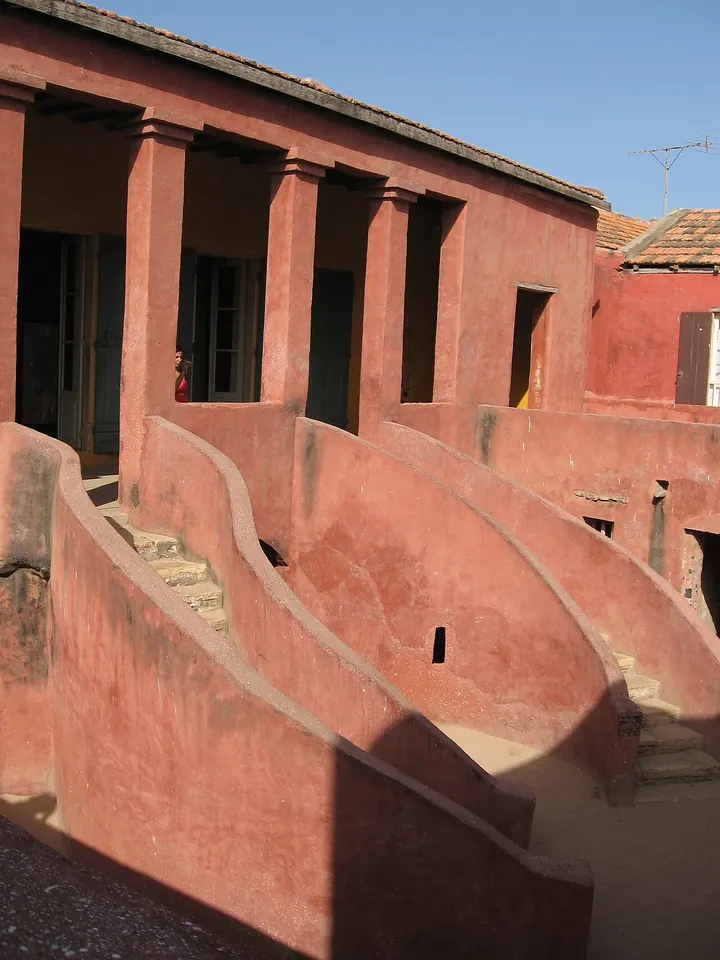
House of Slaves
Memorial house on Gorée Island tied to the history of the Atlantic slave trade.
Dakar · Senegal · Updated November 2026
What to see in Dakar, the neighbourhoods, when to go, getting around and staying safe. Prices, hours and travel advice show their official source and the month we checked them.
What to see
The places we would put in any first visit.
Memorial house on Gorée Island tied to the history of the Atlantic slave trade.
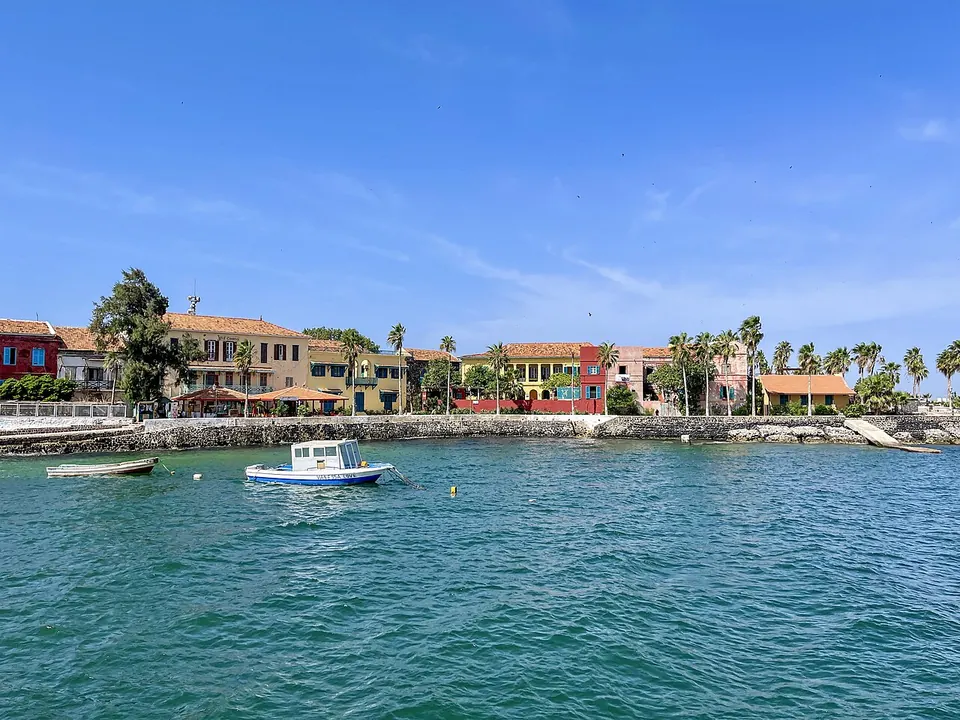
Car-free island a short ferry ride away, with colonial houses, museums and beaches.
Open space, any time
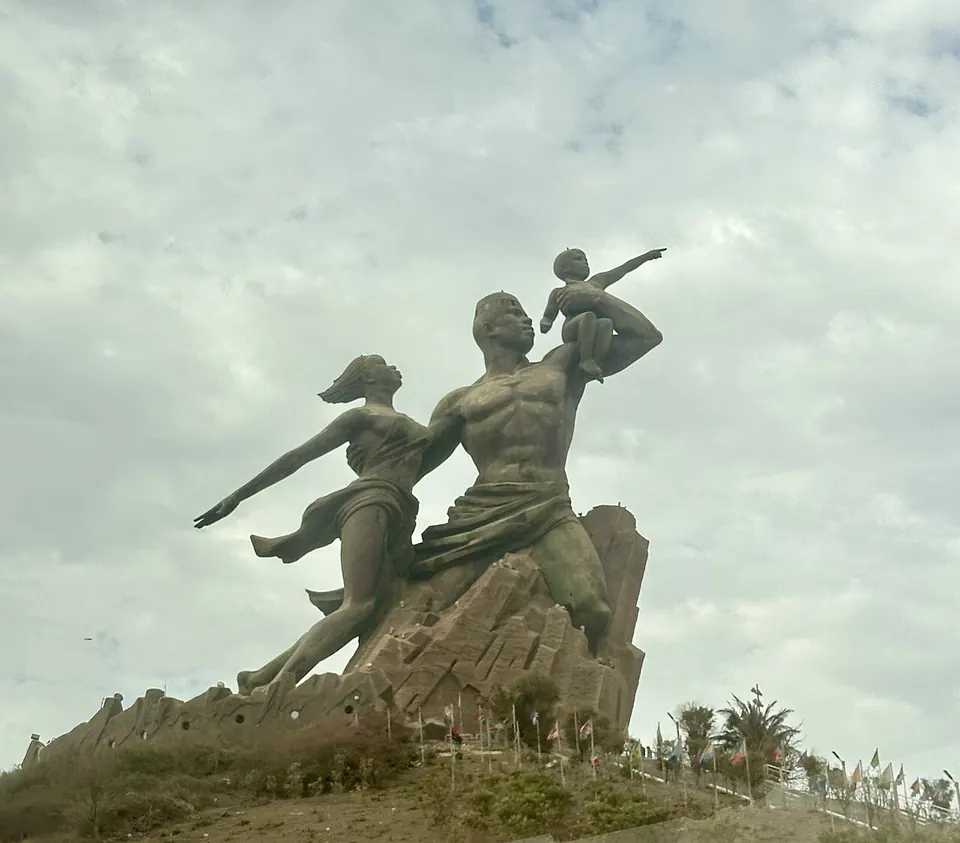
Huge bronze monument on a hill, with a viewing platform over Dakar and the coast.
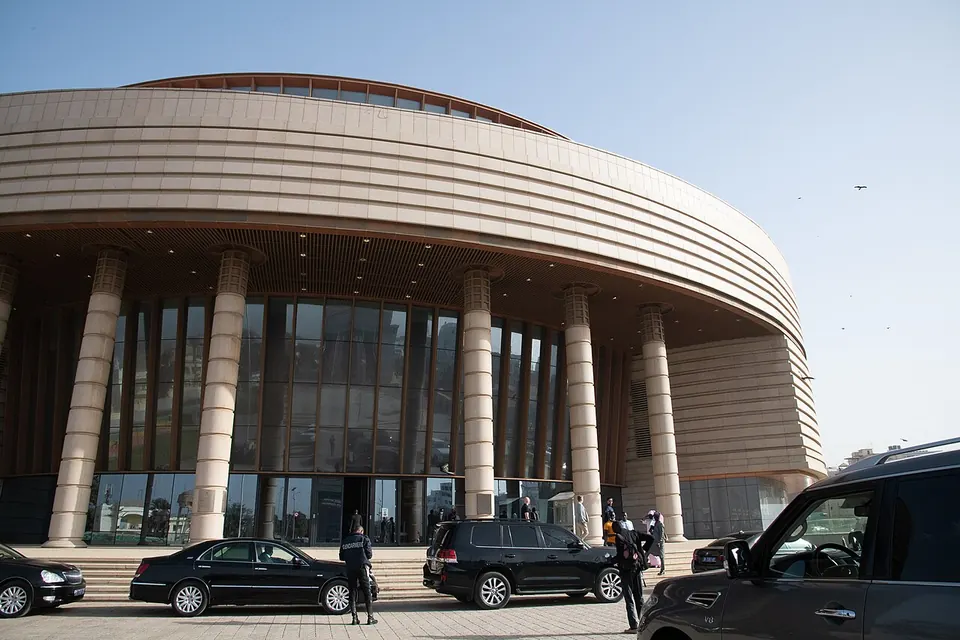
Large museum of African civilizations and contemporary art, opened in 2018.
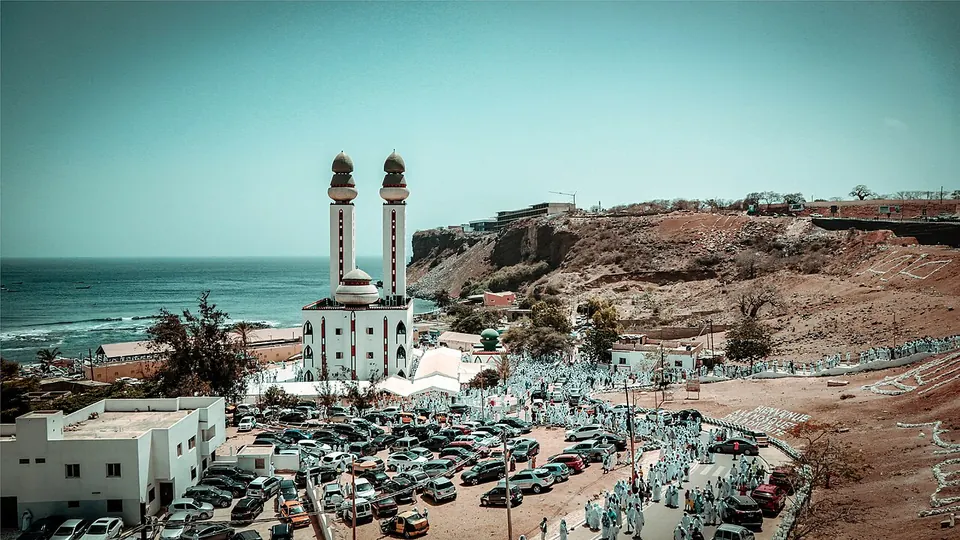
Seaside mosque in Ouakam, picturesque on the Atlantic shore.
Colonial-era city centre with markets, cafés, museums and historic buildings to walk.
Open space, any time
Small island a short boat ride away, with beaches, cafés and art stalls.
Open space, any time
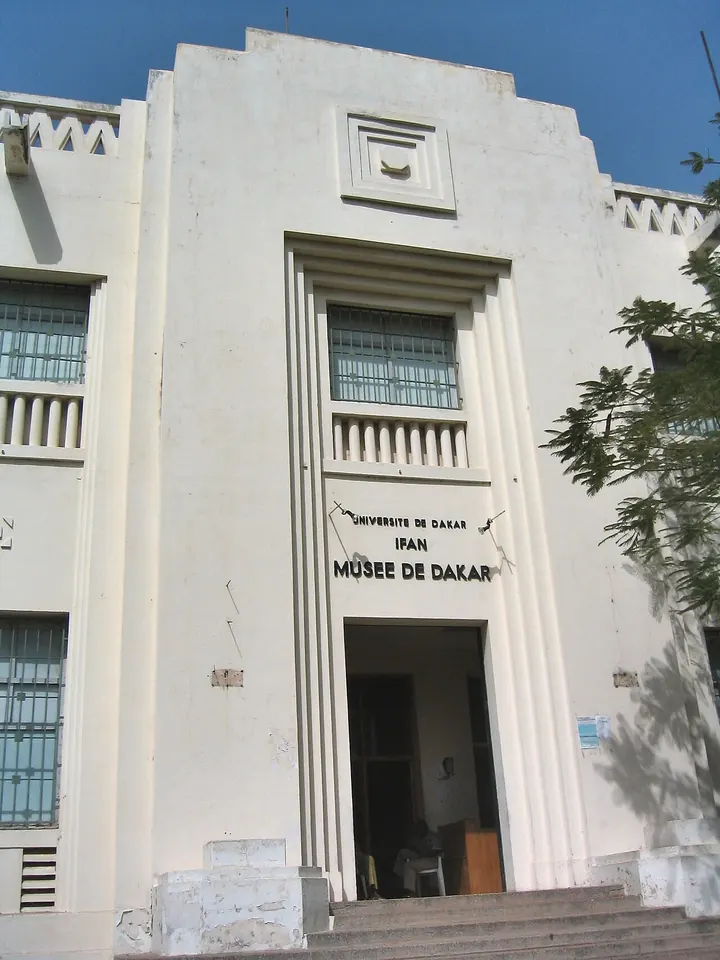
IFAN museum of African masks, sculpture and traditional art.
Tue–Sun 09:00–17:00 · Mon closed
Hours: musee-monod.sn · checked October 2026
Major mosque in the Médina, notable for its tall minarets.
Dakar's busiest central market, full of textiles, goods and street life.
Historic covered market for produce, fish and flowers in an old hall.
Artists' studios and galleries where local art and crafts can be seen and bought.
Where to stay
For a first visit, the best bases are Plateau, Médina and Gorée: the most must-sees within an easy walk. Red marks the places official travel advice names as pickpocketing hotspots: keep your bag closed there.
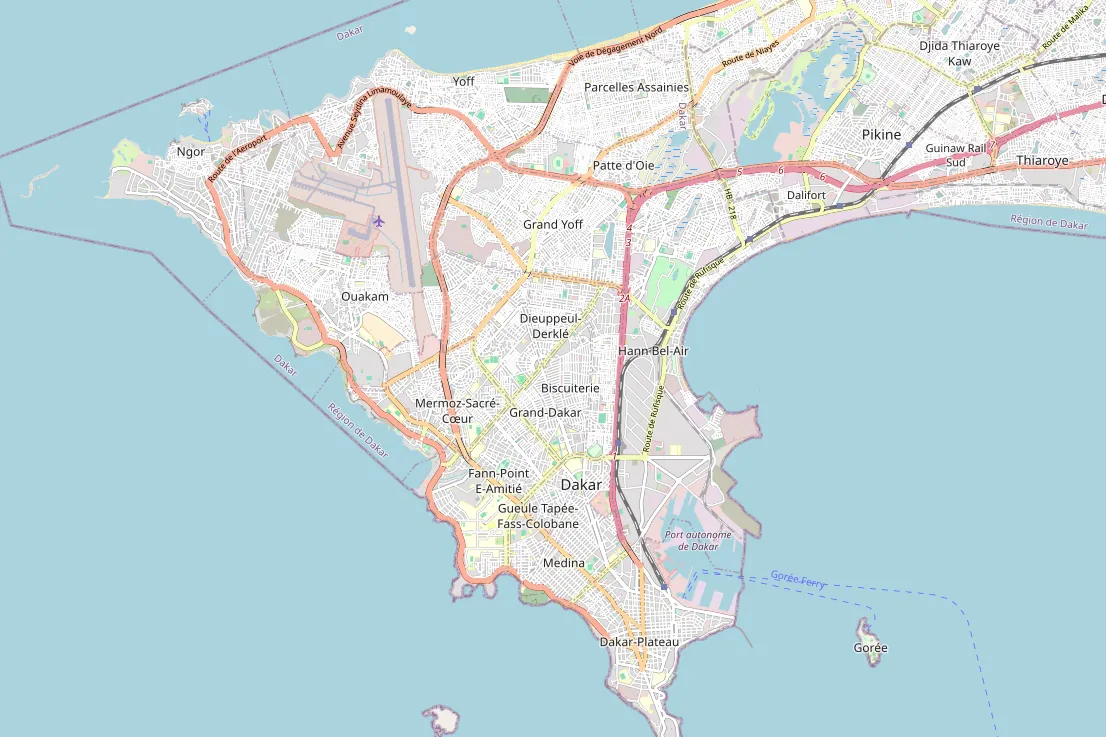 Gorée ferry terminal★Plateau★MédinaOuakamNgorYoff★GoréeFann / SoumbédiouneHLM and Colobane
Dakar's grid-planned centre, with the cathedral, markets, ministries and busy lunch stalls that go quiet by evening.
6 of the must-sees within about a 20-minute walk.
Our Lady of Victories Cathedral, Dakar, Place du Souvenir Africain (Dakar), Ifan Museum of African Arts, Museum of Black Civilizations, Dakar-Plateau, Gare de Dakar (Dakar railway station), Dakar: walking tour, Marché Sandaga, Marché Kermel, Place de l'Indépendance, Rue Mohamed V
Dense, lively quarter of murals, music bars and tailors, home to the Grand Mosque.
3 of the must-sees within about a 20-minute walk.
Dakar Grand Mosque
Small car-free island with historic slave-trade sites, museums and flowered lanes.
3 of the must-sees within about a 20-minute walk.
House of Slaves, Henriette-Bathily Women's Museum
Former Lébou fishing village with colourful pirogues, a lighthouse hill and the huge African Renaissance Monument.
African Renaissance Monument, Mosquée de la Divinité, Phare des Mamelles
A relaxed beach village with an island a short pirogue ride away, good for sunsets and surf.
Plage de Ngor, Île de Ngor
A traditional Lébou community by the beach, with narrow lanes and planes landing overhead.
Seafront area with the Corniche, a lively evening fish landing and craft market.
Corniche Ouest, Village des Arts de Dakar
Busy everyday districts known for big, local markets rather than sights.
Marché HLM, Marché Colobane
When to go
The most comfortable months for walking are February, March, April and May.
best months · bar: average high · small: average low · d: days with rain
Source: Open-Meteo historical weather, 2021-2025 averages
Shops, offices and some sights close or keep Sunday hours.
Dates: date.nager.at · checked October 2026
Getting there & around
Our advice first; prices only where we checked them on an official or operator page.
Yango, Heetch, Coursea, Uber work in Dakar.
Source: osiris.sn
Money, customs & safety
17
Police
Source: travel.gc.ca · checked October 2026
15
Ambulance / medical assistance
Source: travel.gc.ca · checked October 2026
18
Fire
Source: travel.gc.ca · checked October 2026
checked October 2026
FAQ
Three days covers Gorée, the Museum of Black Civilisations, the Renaissance Monument and an evening out. Add up to two more for surfing or day trips.
GuideSofia audio guides play on your phone, offline, in 30+ languages. Free to download.