Coricancha
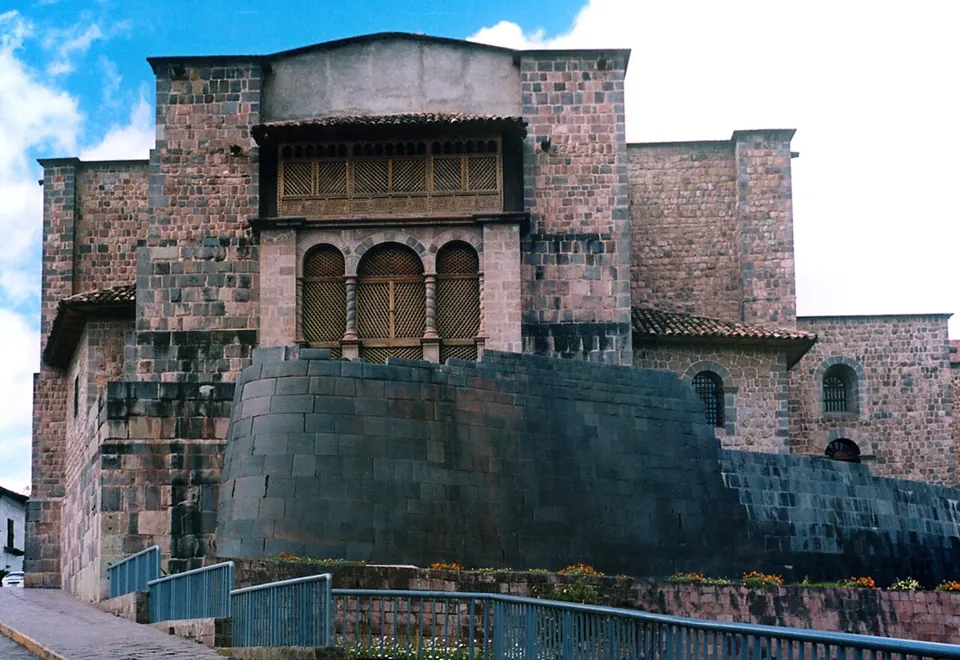
Inca sun temple with fine stonework, topped by the Santo Domingo convent.
Hear it in Cusco: The Inca Walls Held. The Churches on Top Didn't.

Cusco · Peru · Updated November 2026
What to see in Cusco, the neighbourhoods, when to go, getting around and staying safe. Prices, hours and travel advice show their official source and the month we checked them. And 1 audio guide of ours, to hear the stories where they happened.
What to see
The places we would put in any first visit. Audio guide marks the ones our guides tell the story of.
Inca sun temple with fine stonework, topped by the Santo Domingo convent.
Hear it in Cusco: The Inca Walls Held. The Churches on Top Didn't.
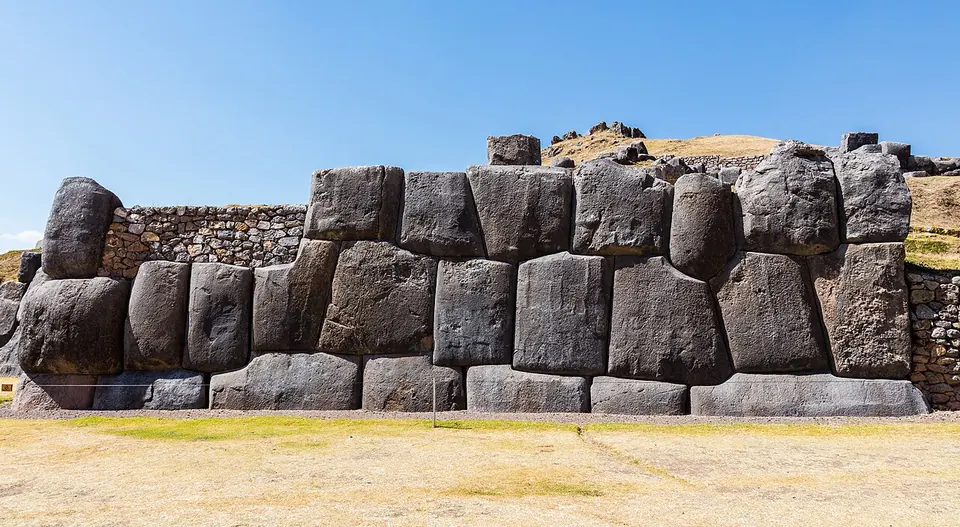
Massive Inca hilltop fortress with huge megalithic walls and city views.
Hear it in Cusco: The Inca Walls Held. The Churches on Top Didn't.
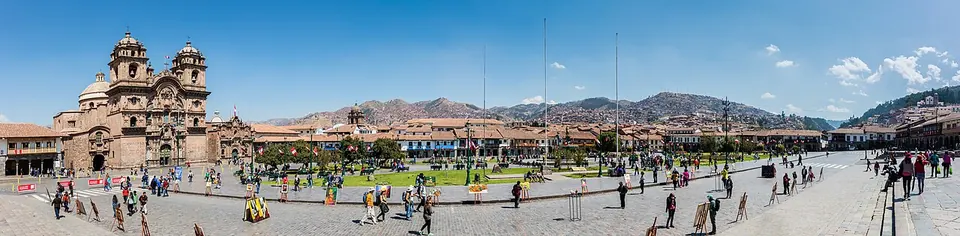
Cusco's central square, ringed by arcades, churches and cafes.
Hear it in Cusco: The Inca Walls Held. The Churches on Top Didn't.
Open space, any time
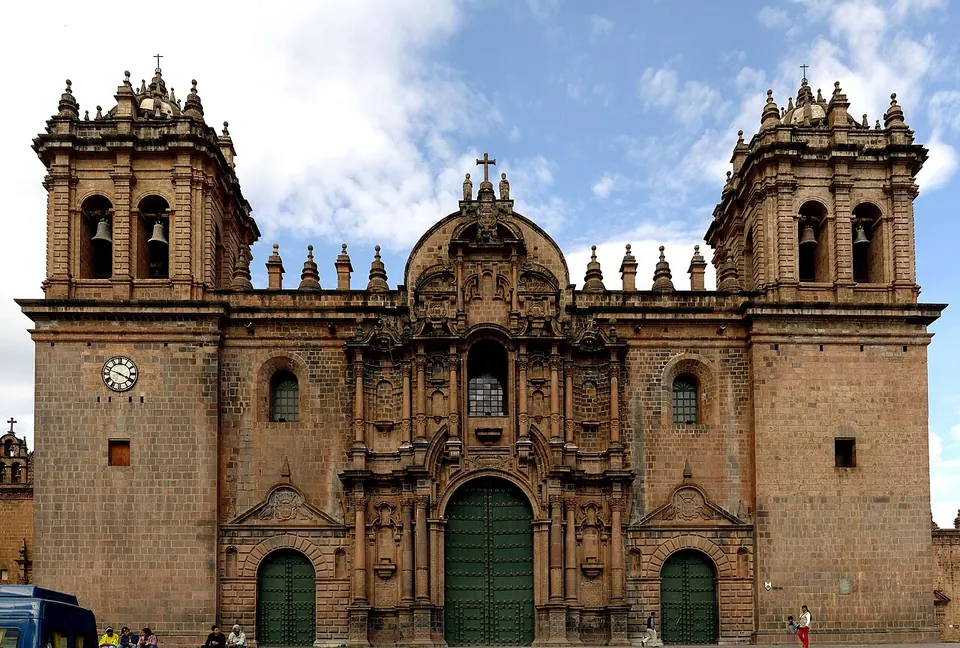
Grand colonial cathedral on the Plaza de Armas, built over an Inca palace.
Hear it in Cusco: The Inca Walls Held. The Churches on Top Didn't.
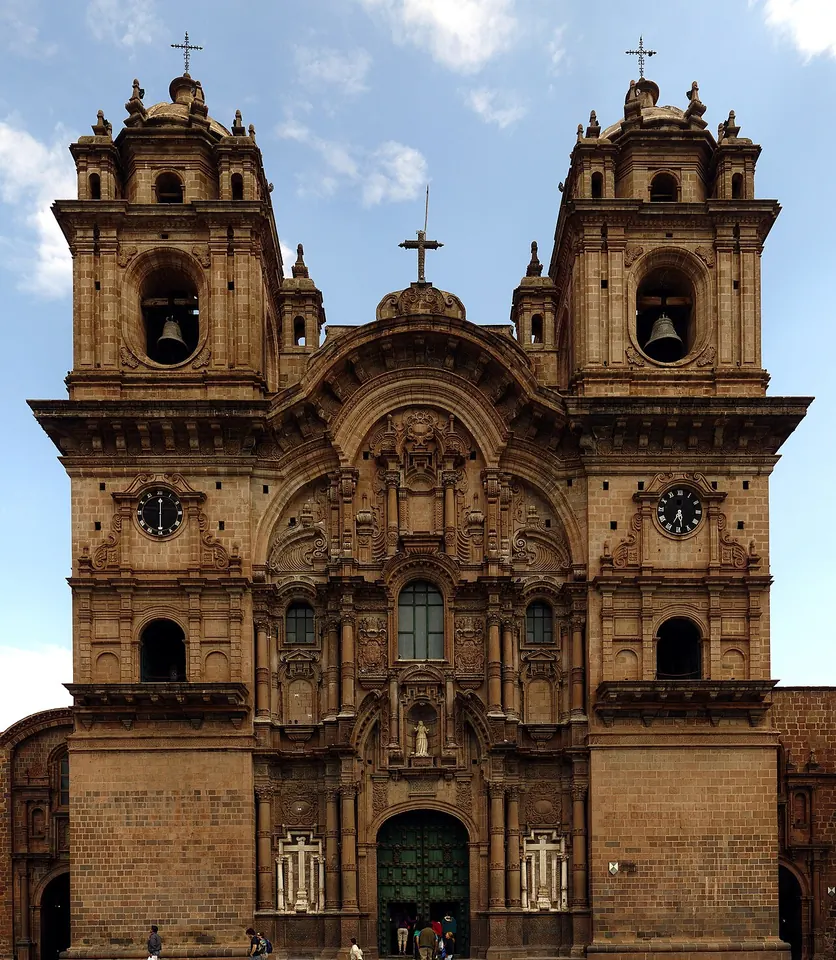
Baroque Jesuit church on the Plaza de Armas with an ornate facade.
Hear it in Cusco: The Inca Walls Held. The Churches on Top Didn't.
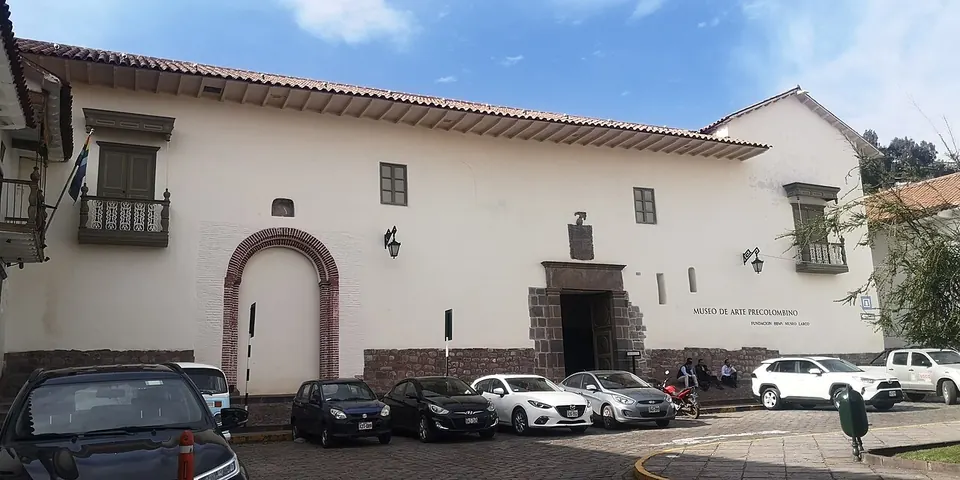
Museum of pre-Columbian art in a colonial mansion, with well-displayed ceramics and gold.
Hear it in Cusco: The Inca Walls Held. The Churches on Top Didn't.
Mon–Sun 08:00–22:00
Hours: mapcusco.pe · checked October 2026
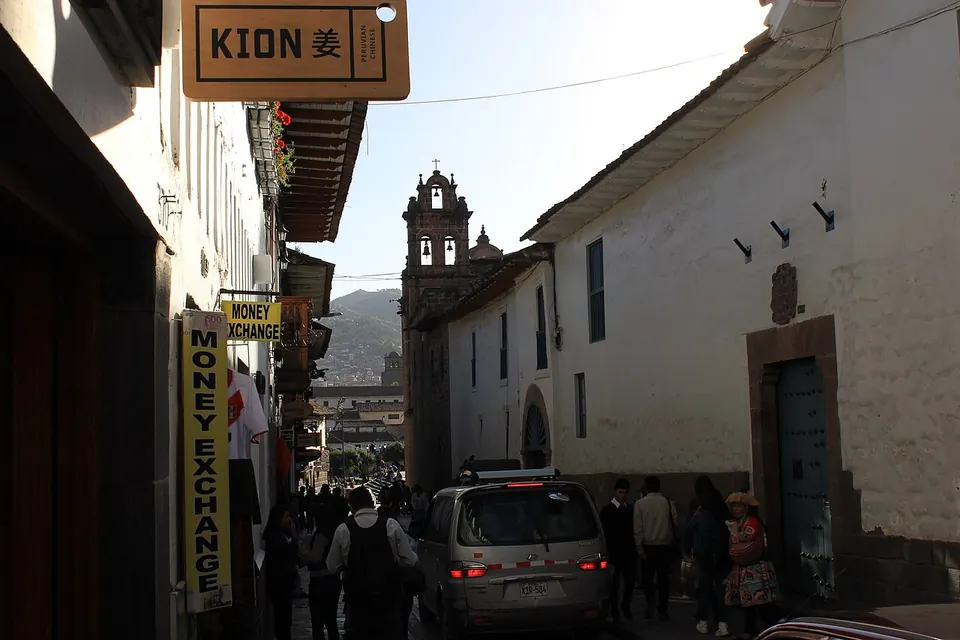
Historic street of Inca walls and colonial buildings linking the Plaza de Armas and San Blas.
Open space, any time
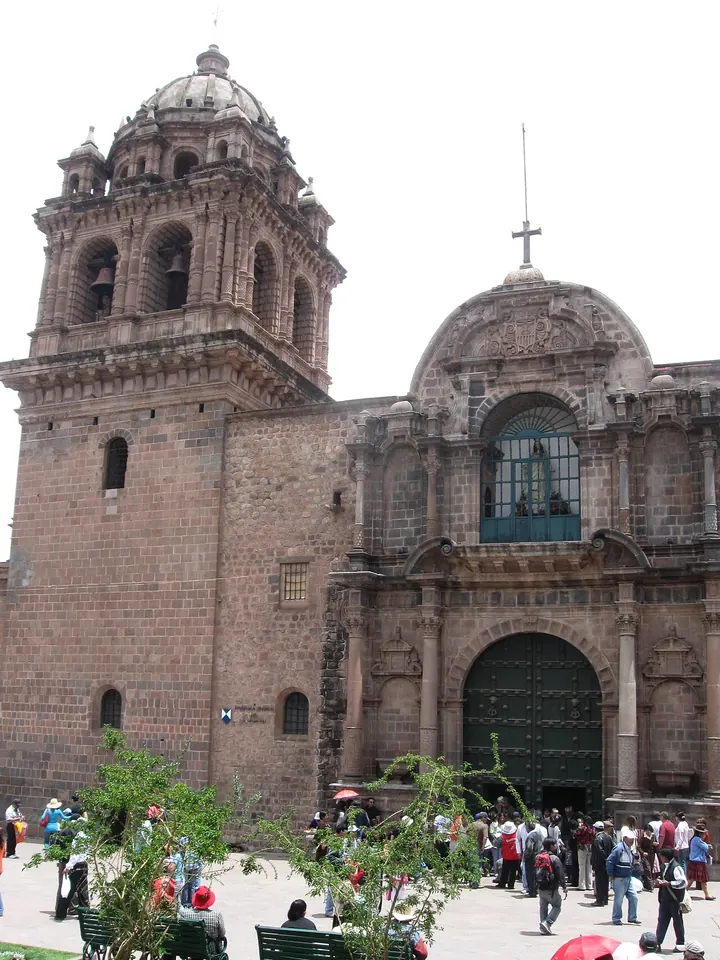
Colonial church and convent with a cloister and a notable jeweled monstrance.
Hear it in Cusco: The Inca Walls Held. The Churches on Top Didn't.
Narrow Inca lane with the famous twelve-angled stone fitted into the wall.
Walk through central Cusco's Inca walls and the colonial churches built upon them.
Nightly folk music and dance show presenting traditional Andean performances.
Inca ceremonial site with stone aqueducts and fountains, linked to water worship.
Our audio guides
1 self-guided audio tour for Cusco. Play them on your phone, walk at your own pace, and ask the guide anything along the way.
See how Spanish churches rose on Inca palaces, why the Jesuits' church was too handsome for its own good, why the Cathedral's Last Supper has an Andean menu, and whose…
Where to stay
For a first visit, the best bases are Historic centre, San Blas and San Cristóbal: the most must-sees within an easy walk.
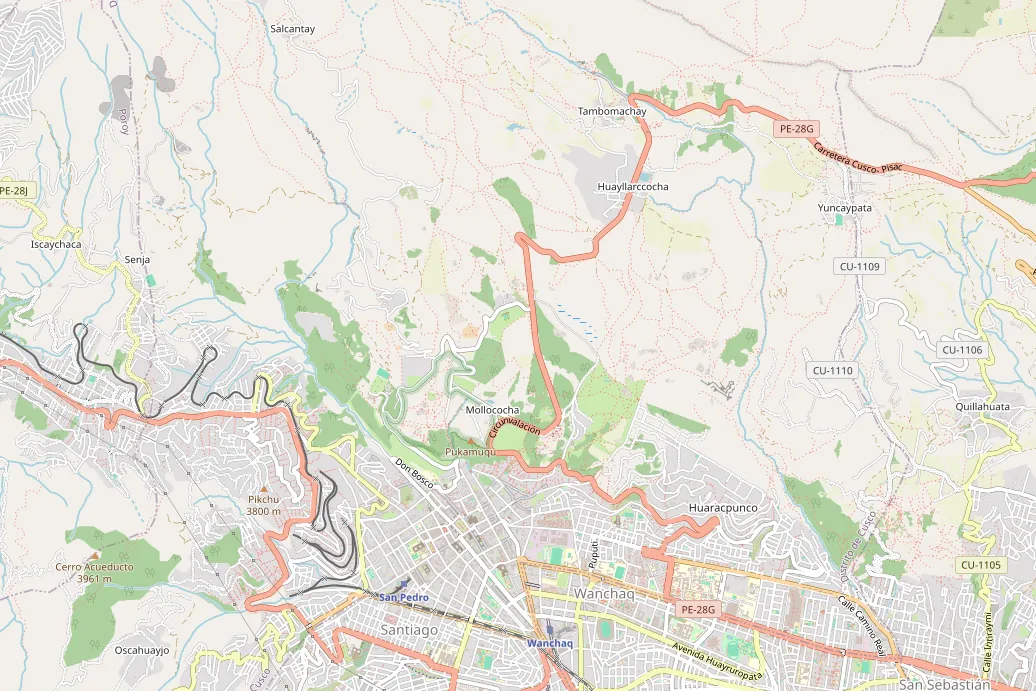 ★Historic centre★San Blas★San CristóbalSacsayhuamanTambomachayWanchaq
The walkable core, where Spanish churches and colonial streets stand on Inca stone walls around the main square.
11 of the must-sees within about a 20-minute walk.
Coricancha Audio guide, Cusco Cathedral Audio guide, Centro Qosqo de Arte Nativo, Church of the Society of Jesus Audio guide, Basilica of La Merced, Cusco Audio guide, Plaza de Armas Audio guide, Museo de Arte Precolombino Cusco Audio guide, Hatun Rumiyoc street and the twelve-angled stone Audio guide, Casa Garcilaso (Museo Histórico Regional), the house of the Inca Garcilaso's family Audio guide, Cusco: Spanish Churches on Inca Palaces, and Whose Walls Held, Calle Triunfo, Calle Procuradores
Steep cobbled lanes with craft workshops, galleries and cafés. Take it slowly and watch your footing.
11 of the must-sees within about a 20-minute walk.
San Blas church and its carved pulpit Audio guide, Mercado de San Blas
A high plaza beside the church, with a wide view over the red-tiled roofs of the centre.
11 of the must-sees within about a 20-minute walk.
Mirador de San Cristóbal
Hilltop ruins with huge zigzag stone walls above the city, best visited early in the day.
Saqsaywaman Audio guide, Q'Inqu, Cristo Blanco
Out-of-town sites with carved rock, a fort and working water channels, reached by taxi or tour.
Puka Pukara
A modern district away from the old centre, useful for shopping at the craft market.
Centro Artesanal Cusco
When to go
The most comfortable months for walking are June, July, August and September.
best months · bar: average high · small: average low · d: days with rain
Source: Open-Meteo historical weather, 2021-2025 averages
Shops, offices and some sights close or keep Sunday hours.
Dates: date.nager.at · checked October 2026
Getting there & around
Our advice first; prices only where we checked them on an official or operator page.
Uber, Cabify, inDrive work in Cusco.
Source: gobytaxi.com
Money, customs & safety
105
Police
Source: travel.gc.ca · checked October 2026
116
Ambulance / medical assistance
Source: travel.gc.ca · checked October 2026
checked October 2026
FAQ
Plan 3–4 days. Spend the first on the lower historic centre, then give the hilltop ruins a separate half or full day.
About 3,400 m (11,152 ft). Take the first day easy, drink water, and see a doctor if symptoms get severe or don't improve.
Yes, for Saqsaywaman, Puka Pukara and Tambomachay. Coricancha and the Cathedral charge separate admission, so check current conditions before buying.
May to September is driest but busiest, especially around June 24. April–May and September–October are a good balance of weather, crowds and prices.
Yes. GuideSofia has 1 self-guided audio tour for Cusco. You play them on your own phone in the GuideSofia app and walk at your own pace.
Yes. Download your itinerary and audio guides over Wi-Fi, then use them outdoors with GPS without spending mobile data.
The guides on this page are in English. In the app, the guide is narrated in 30+ languages.
The GuideSofia app is free to download, and it's free to start your first tour.
If it's your first visit, start with Cusco: The Inca Walls Held. The Churches on Top Didn't..
Yes. Open the chat in the app and ask about what you are looking at, local history, food or nearby places.
Download GuideSofia, pick a guide and start walking. It's free to start your first tour.