Rio Botanical Garden: Founded the Same Day as a Gunpowder Mill
Find out why a gunpowder factory was founded on the same day as this garden, how an avenue of royal palms goes back to one tree planted in 1809, and why Mestre Valentim's…

Rio de Janeiro · Brazil · Updated November 2026
56 self-guided audio tours for Rio de Janeiro. Play them on your phone, walk at your own pace, and ask the guide anything along the way.
Start here
Not sure where to begin? These cover the city's best-known places. Press play to hear how the first stop sounds.
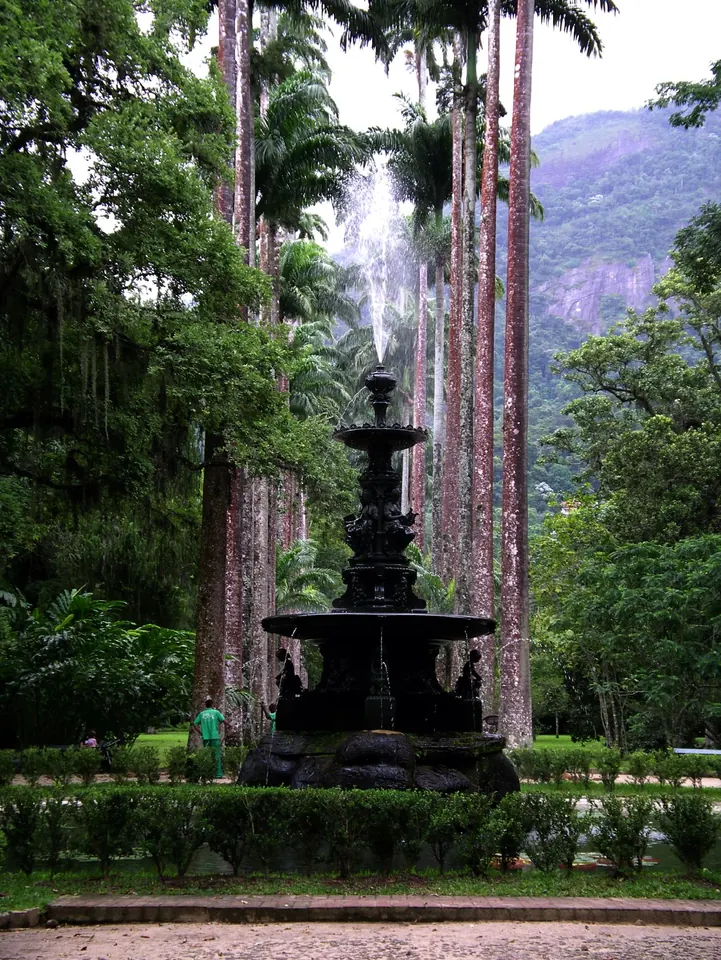
Find out why a gunpowder factory was founded on the same day as this garden, how an avenue of royal palms goes back to one tree planted in 1809, and why Mestre Valentim's…
Find out how Brazil paid for its first jet fighters in bales of cotton, why its pilots over wartime Italy flew under a cartoon ostrich, and how Santos Dumont's heart came…
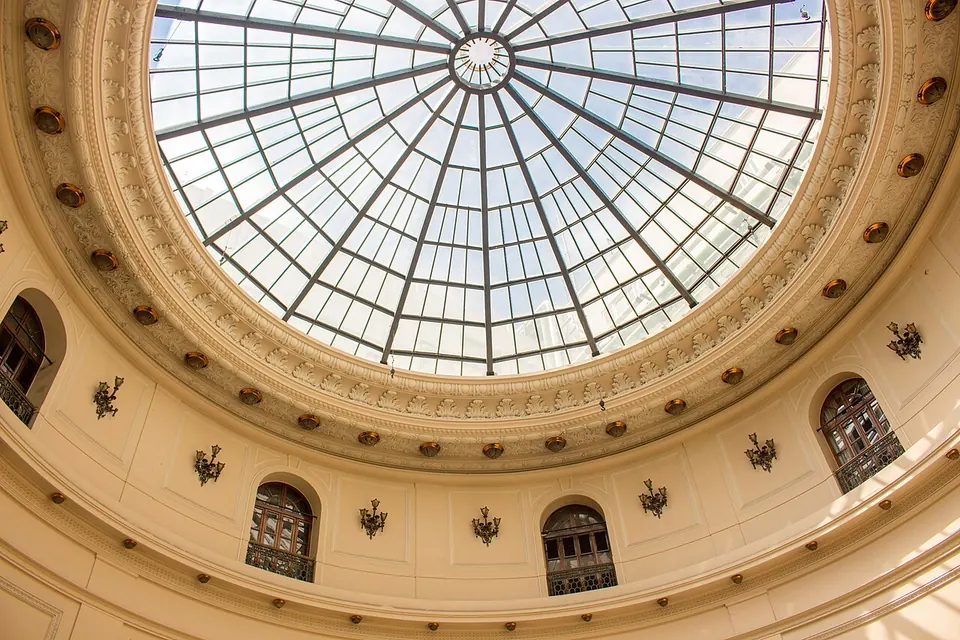
Find out why the bronze Tiradentes is partly an invention, who fired three shots in the marble entrance hall in 1929, why the dome's sky is stuck at 9:15 on 15 November…
All guides
56 guides.
A guide to Casa das Canoas in Rio De Janeiro, focusing on its stories and important features.
Find out why Rio's grand theatre opened without the man who fought for it, how an archbishop's palace ended up housing Brazil's highest court, and why a library owes its…
A guide to Convent of Santo Antônio in Rio De Janeiro, focusing on its stories and important features.
A seaside edge built in 1970, a fort whose soldiers walked out in 1922, a sewage outfall that became Ipanema's liveliest spot, and a bar where a famous song supposedly…
Follow Corcovado's story upward: a railway running nearly fifty years before the statue, a hotel that hid a World Cup team, the wood-and-iron "sun hat" that crowned the…
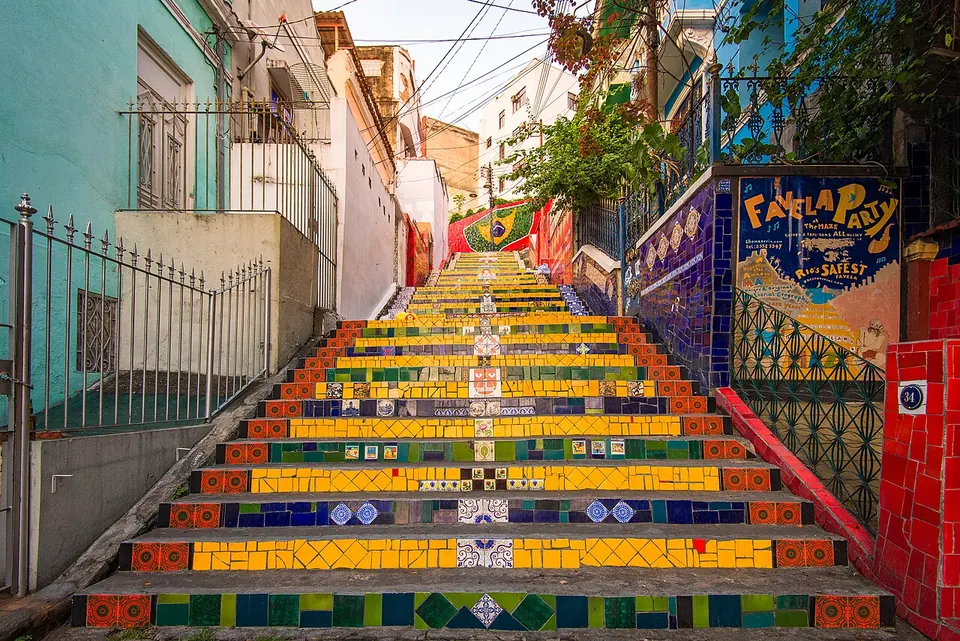
Find out why a Chilean painter covered 215 neglected steps in Lapa with the city's scrap tiles, how one painted pregnant woman paid for the work, and why a staircase in…
A guide to Igreja de Nossa Senhora da Glória do Outeiro in Rio De Janeiro, focusing on its stories and important features.
A guide to Mosteiro de São Bento in Rio De Janeiro, focusing on its stories and important features.
Find out why 585 pieces came home from France in 2024, what fills the archive behind Marshal Rondon's rule "die if necessary, but never kill", and why the garden reopened…
Find out why a life-size Dom Pedro II on horseback stayed in plaster, what an 1823 gold coin claimed before Brazil had a constitution, and how the Calabouço prison here…
A guide to National Historical Museum in Rio De Janeiro, focusing on its stories and important features.
A guide to Niterói Contemporary Art Museum in Rio De Janeiro, focusing on its stories and important features.
Find out why the Tamoio called this mountain a crowned head, how a Portuguese fleet named it from the sea in 1502, why storms keep hitting the Lightning Rock, and what…
Find out why a princesses' garden is covered in broken plates, how a five-tonne meteorite came through the 2018 museum fire, why the cave is fake and the bamboo is…
Find out why a gunpowder factory was founded on the same day as this garden, how an avenue of royal palms goes back to one tree planted in 1809, and why Mestre Valentim's…
Find out why Rio borrowed churches for three centuries before building this concrete cone, how a crucifix hangs with no wall behind it, and why an emperor's throne waited…
Find out why Rio's cathedral drifted from church to church before becoming a giant cone, why the Portuguese royal library missed the boat to Brazil, and how a Franciscan…
Find out how a cynics' joke about snakes smoking pipes became the badge of Brazil's soldiers in Italy, why the tomb honours the dead rather than heroes, and how a marshal…
In an Urca palace that was meant to train doctors, find out how Brazil's biggest dinosaur turned up at road works, why elephant-sized sloths once roamed Brazil, and how…
Find out why Rio's old cathedral still admits its demotion, how a parliament rose on a colonial jail, why a general's bronze was once aimed at Brazilian troops, and how a…
Find out how a fountain built for ships ended up far from the water, why a prince chose to stay in a governor's house, and how Tiradentes' prison became a parliament…
I’m taking you through the Centro and port zone, where Rio keeps dressing itself up, tearing the costume off, and arguing with its own memory.
Find out how a street-corner shrine for travelling peddlers became the merchants' church on Rua do Ouvidor, what the 1893 naval bombardment knocked down, why the nave is…
Find out why Rio paved over its slave landing to welcome an empress, how a Black engineer built a dock facing it with no enslaved labor, and how a family learned their…
Find out why Portugal marked Brazil's independence with a silver altar to itself, how a king, an architect and the poet Camões left their mark here without ever arriving…
Why Niemeyer hid classrooms under the samba stands, how Olympic archers shot on the parade runway, how Nirvana went to war with a sponsor, and how Mangueira marched the…
Find out how formerly enslaved families settled this hill in 1907, how their painted homes became a museum, why an unfinished luxury hotel loomed over them for decades…
Find out why Rio met Carmen Miranda's 1940 homecoming with silence, how a hat-shop girl from Lapa engineered her way up on towering platforms, and why her Hollywood…
Learn how a downtown hill became Flamengo's waterfront park, what lies in the crypt beneath the war memorial, why MAM Rio lifts itself off the ground, and how a coffee…
A compact Catete and Flamengo walk through political history, gardens and the bayfront cultural landscape. Verify museum status, entrance points and whether each venue is…
A compact walking tour of Saúde, the Valongo Wharf and Praça Mauá. Explain the port, the history and continuing culture of Little Africa, and the area's museums without…
A short heritage walk in Santa Cruz, well outside central Rio, connecting the imperial palace, historic streets, community museum and other public places only when…
Learn how a merchant's country house became a royal palace, how the National Museum is rebuilding after the 2018 fire without hiding it, why migrant trucks from the…
Find out how Brazil paid for its first jet fighters in bales of cotton, why its pilots over wartime Italy flew under a cartoon ostrich, and how Santos Dumont's heart came…
Hear the storm-at-sea promise behind Rio's Candelária, how its bronze doors won a prize in Paris before reaching Rio, why gilded carvings gave way to Italian marble, and…
Find out why the bronze 'eagles' on the roof are really harpies, how a guitar tune played in the Venetian Room shook the Senate in 1914, and what happened in Getúlio…
Find out why Portzamparc called this a veranda above the city, how its concrete sails hide fire stairs and elevators, why the Grande Sala rearranges its own walls, and…
Find out why Rio's botanical garden began as a royal bid to grow spices for export, how pestles once pounded gunpowder here, why an old palm avenue needs young trees, and…
Find out why Lapa's arches carried water long before trams, why Jorge Selarón never stopped changing his tiled stairway, and how a Santa Teresa hillside house became the…
Find out why Eduardo Guinle flattened a hill for a bay view, why Brazil's first Otis passenger elevator hides behind a fake door, and how his gilded dining table later…
Find out how a court fleeing Napoleon started this collection, why plaster copies became treasures, how coffee money brought Monet's teacher to Rio, and why two battle…
Learn why Emperor Pedro II kept an Egyptian singer's coffin that was never opened, how the Bendegó meteorite outlasted the fire, and why a Tupinambá feather mantle's…
Find out what the Cinemateca's 'Rosa do Campo' reel really held, why firefighters' hoses couldn't reach the 1978 blaze, and how Reidy and Burle Marx built a museum that…
Find out how a European king's books reached Rio and why Brazil ended up buying them. Then see the Mainz Bible in its vault, the steel stacks built to keep paper alive…
Find out why the court heard Mass from balconies above the nave, how a priest who needed special permission came to run the royal music, where two emperors were crowned…
Find out how a snake and a lizard put a church on this rock, why a childless couple had 382 steps cut into the granite, and how samba was tried out at the festival below…
Find out how a little beach became Rio's port square, why the city tore down the highway that hid its bay, and how a 1929 concrete skyscraper and a museum at the end of a…
Find out why Rio's beef came by train from a country slaughterhouse, how a Jesuit farmhouse became a royal retreat where a prince prepared for independence, and why an…
Find out why an actor stands in bronze on Praça Tiradentes, how a prince's birthday theater kept catching fire, and how Di Cavalcanti put samba and carnival on the walls…
Find out how a cable car everyone mocked became Rio's beloved bondinho, what Einstein wrote in his diary after riding it, where the city was founded before it moved away…
Find out how the contest to design Rio's grand theater ended in a tie, how Visconti's paintings for the foyer were nearly lost to the rain, why opening night had no…
A guide to Tijuca National Park in Rio De Janeiro, focusing on its stories and important features.
Find out why the bronze Tiradentes is partly an invention, who fired three shots in the marble entrance hall in 1929, why the dome's sky is stuck at 9:15 on 15 November…
A guide to Vidigal in Rio De Janeiro, focusing on its stories and important features.
Find out why Noel Rosa's bronze bar table has an empty chair, how songs ended up set in the boulevard's pavement, and how a cash-strapped zoo gave Brazil its favorite…
Find out why a lookout on a Brazilian mountain is called the Chinese View, why its bamboo pavilion is really concrete, and how eleven people replanted this forest by hand…
What to see
The places we would put in any first visit. Audio guide marks the ones our guides tell the story of.
Iconic granite peak accessible by cable car, offering breathtaking 360-degree views across Guanabara Bay.
One of the world's largest urban rainforests, packed with waterfalls, hiking trails, and mountain peaks.
Hear it in Tijuca National Park
Lush botanical garden founded in 1808, famous for monumental imperial palms, orchidariums, and wild monkeys.
Hear it in Rio Botanical Garden: Founded the Same Day as a Gunpowder Mill, Rio's Jardim Botânico: Gunpowder, Spices and Bossa Nova
Vibrant outdoor staircase covered in thousands of colorful ceramic tiles gathered from around the globe.
Hear it in Escadaria Selarón: A Thank-You Note That Took 23 Years, Rio's Lapa and Glória: Built for Water, Never Finished
Open space, any time
World-famous crescent beach known for lively boardwalk culture, volleyball games, and oceanfront kiosks.
Open space, any time
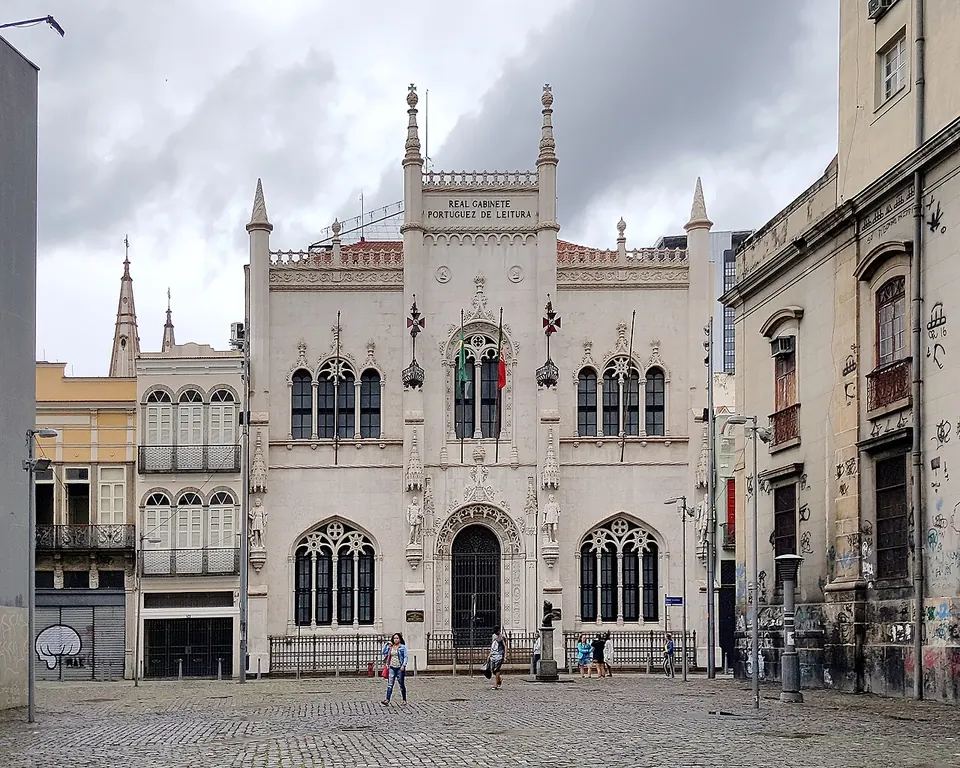
Breathtaking 19th-century Neo-Manueline reading room lined with tiers of ornately bound Portuguese volumes.
Hear it in Rio de Janeiro Centro: A Roving Cathedral and a Vanished Hill, Rio de Janeiro's Royal Reading Room: The Guests Who Never Came
Mon–Fri 10:00–17:00 · Sat 10:00–13:00
Hours: realgabinete.com.br · checked October 2026
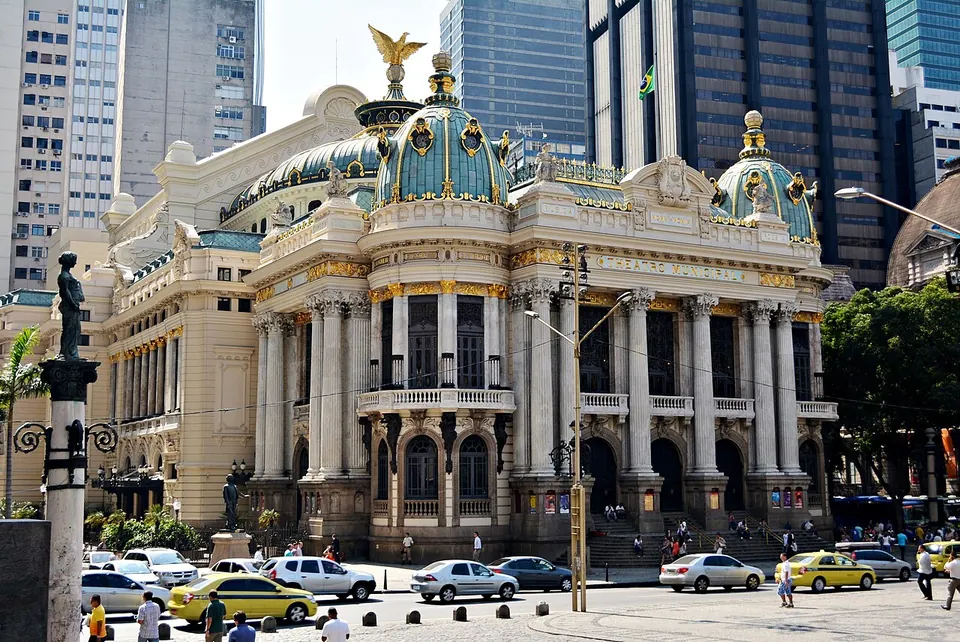
Lavish Belle Époque opera house inspired by the Paris Garnier, renowned for opulent gilded interiors.
Hear it in Cinelândia, Rio: A Palace That Crossed an Ocean and a Golden Cage, Rio de Janeiro Centro: A Roving Cathedral and a Vanished Hill, Theatro Municipal, Rio: The Carnival Guest Dressed as a Chandelier
Top-tier cultural center in an imposing neoclassical banking hall hosting major art exhibitions and cinema.
Hear it in Rio de Janeiro Centro: A Roving Cathedral and a Vanished Hill
World-famous Art Deco statue atop Corcovado mountain offering unforgettable panoramic vistas over the city.
Rocky promontory renowned as Brazil's birthplace of surfing and a celebrated sunset viewpoint.
Sophisticated beach flanked by the Dois Irmãos peaks, celebrated for surfing, sunsets, and local life.
Public park and cultural center built within mansion ruins offering panoramic views over Guanabara Bay.
Where to stay
For a first visit, the best bases are Centro: the most must-sees within an easy walk. Red marks the places official travel advice names as pickpocketing hotspots: keep your bag closed there.
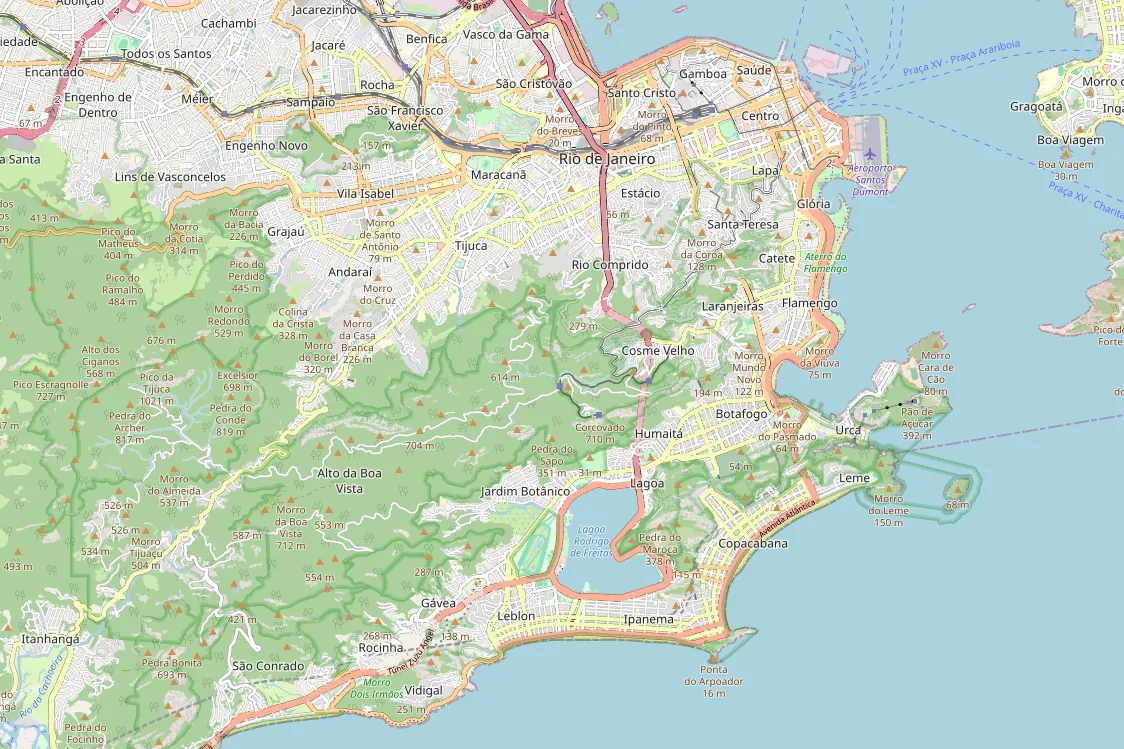 Copacabana BeachIpanema BeachLapaSanta TeresaSanta TeresaLapaCopacabanaIpanemaLeblonUrca★CentroSaúde and Gamboa
Historic downtown of old churches, grand theatres and libraries; best visited on weekdays in daylight.
5 of the must-sees within about a 20-minute walk.
Rio de Janeiro Cathedral Audio guide Audio guide, Teatro Municipal Audio guide Audio guide Audio guide, Praça XV de Novembro Audio guide, Saara Rio, Rio De Janeiro: walking tour, Rio: Praça XV and the old waterfront
Hillside district of old mansions, artist studios and views, best reached by the yellow tram.
Mirante Dona Marta Audio guide, Ruins Park Museum Audio guide, Rio: Lapa, Santa Teresa and Glória
Rio's nightlife hub, with live samba under the white arches and a famous tiled staircase.
Escadaria Selarón Audio guide Audio guide, Arcos da Lapa (Aqueduto da Carioca) Audio guide
Famous long beach with a busy boardwalk, old bars and a fort at one end.
Praia de Copacabana, Avenida Atlântica / Copacabana boardwalk Audio guide, Forte de Copacabana Audio guide, Colônia de Pescadores Z-13 / Posto 6 Audio guide, Rio's Copacabana and Ipanema: Mutiny, Sewage and Borrowed Boards
Elegant beach area, known for the sunset at Arpoador and a weekend craft fair.
Praia de Ipanema, Arpoador Audio guide, Praça General Osório / Feira Hippie Audio guide, Former Bar Veloso / Garota de Ipanema Audio guide
Polished, quieter neighbour of Ipanema with good restaurants, bars and a lookout.
Praia do Leblon, Rua Dias Ferreira, Mirante do Leblon, Cobal do Leblon
Calm, village-like bayside area at the foot of Sugarloaf, loved for drinks on the low wall.
Sugarloaf Mountain, Mureta da Urca, Praia Vermelha Audio guide
Port district and centre of Afro-Brazilian heritage, with the Valongo Wharf and street samba at Pedra do Sal.
Valongo Wharf Audio guide Audio guide Audio guide, Saúde Audio guide, Pedra do Sal Audio guide Audio guide Audio guide, Largo de São Francisco da Prainha Audio guide Audio guide Audio guide, Rio: Little Africa and What the Port Paved Over, Rio Art Museum Audio guide Audio guide
When to go
The most comfortable months for walking are May, June, July and August.
best months · bar: average high · small: average low · d: days with rain
Source: Open-Meteo historical weather, 2021-2025 averages
Shops, offices and some sights close or keep Sunday hours.
Dates: date.nager.at · checked October 2026
Getting there & around
Our advice first; prices only where we checked them on an official or operator page.
44 BRL–89 BRL
About 50 minutes to the centre. Our estimate from the published rates, not a fixed fare.
Source: transportes.prefeitura.rio · checked October 2026
7.90 BRL
A single ticket.
Source: metrorio.com.br · checked October 2026
3.85 BRL / km
minimum 6.30 BRL
Source: transportes.prefeitura.rio · checked October 2026
Uber, 99 work in Rio de Janeiro.
Source: ride.guru · checked October 2026
Money, customs & safety
190
Police
Source: gov.uk · checked October 2026
192
Ambulance
Source: gov.uk · checked October 2026
193
Fire brigade
Source: gov.uk · checked October 2026
checked October 2026
FAQ
Plan four to five days. Three covers Christ the Redeemer, Sugarloaf and the beaches. Five adds Tijuca National Park, Santa Teresa and the port area.
May to September is drier and milder with fewer crowds. December to March is hot, humid and rainy, but it is peak beach season.
Not for the metro, where contactless Visa or Mastercard works. Buses, BRT and VLT need a Jaé card.
Yes. GuideSofia has 56 self-guided audio tours for Rio de Janeiro. You play them on your own phone in the GuideSofia app and walk at your own pace.
Yes. Download your itinerary and audio guides over Wi-Fi, then use them outdoors with GPS without spending mobile data.
The guides on this page are in English. In the app, the guide is narrated in 30+ languages.
The GuideSofia app is free to download, and it's free to start your first tour.
If it's your first visit, start with Rio Botanical Garden: Founded the Same Day as a Gunpowder Mill.
Yes. Open the chat in the app and ask about what you are looking at, local history, food or nearby places.
Download GuideSofia, pick a guide and start walking. It's free to start your first tour.